2022 ANNUAL REPORT
Dear Friends,
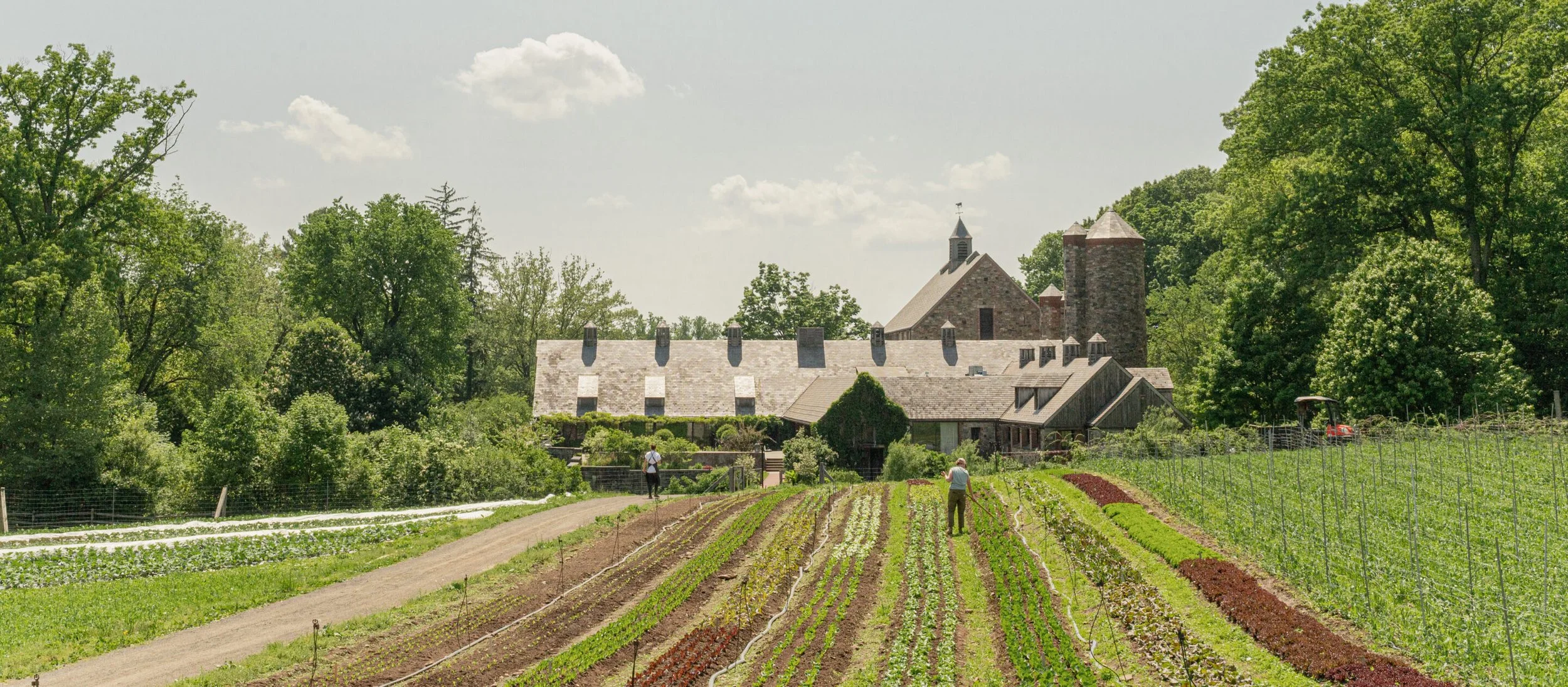
In 2022, Stone Barns focused on engaging in collaborative research projects that bridge the gap between agriculture, gastronomy, and ecology. Each of our research projects capitalizes on and complements our interdisciplinary campus while exploring solutions for food system transformation that start on the farm and end at the table. This collective passion for food and farming innovation has forged deeper connections between us at the Stone Barns Center, our partner restaurant, Blue Hill, and our growing network of farmers, scientists, chefs, and university partners.
We supported our region by developing and sharing an evolving series of Northeast adapted, nutrient rich and flavorful seed varieties in collaboration with breeders from across the country. Stone Barns hosted our first ever Seed Lab Advisory Committee convening, as well as Breeders in Residence, bringing attention to the importance of independent, regional seed efforts.
Blue Hill butchers and Stone Barns livestock farmers worked to influence stakeholders and consumers to recognize the value of grass-fed, and pasture-raised livestock as tools for conservation management, and a component of a healthy human diet. During Project Tasty, a 2022 pilot, livestock farmers and Blue Hill butchers engaged with Dr. Jill Clapperton of Edacious Labs to analyze the quality of meat from lambs raised on different pasture grasses and understand the link between ecological health, nutrition, and flavor. Additionally, our sold-out-in-minutes educational Meat Share program introduced the public to lesser-known steak cuts, using muscles that are typically employed in ground meat at a loss to the farmer.
Stone Barns received a Climate Adaptation Award from the Wildlife Conservation Society to support our ecological program and Native Warm Season Grasslands Restoration Project. In this project, spanning three years, we will convert dozens of acres of pasture to wildflower grassland using native seed mixes that provide high forage quality, ecological services, and are adapted to future climate conditions.
We welcomed tens of thousands of visitors to our campus, and cultivated mindful connections between our public programming and research initiatives to directly influence consumers. The Cut Flower and Vegetable Garden Kit and weekly Flower and Vegetable Shares invited our local gardeners to explore gardening in their own backyards and promote regional agriculture.
Each of these accomplishments represent a step closer to achieving our mission of catalyzing an ecological food culture. Based on findings and lessons learned from 2022, we have significantly expanded the scope of our suite of food and farming projects in 2023.
It has been a pleasure to share some more information about Stone Barns Center’s work and initiatives with you as we close out an amazing year. We thank you for supporting this organizational growth and success. None of this work would be possible without your help and we hope you continue to be engaged in this place for years to come.
With warm regards,
Peggy Dulany
Chair, Board of Directors
Stone Barns Center for Food and Agriculture
"This collective passion for food and farming innovation has forged deeper connections between us at the Stone Barns Center, our partner restaurant, Blue Hill, and our growing network of farmers, scientists, chefs, and university partners."
HIGHLIGHTS
2022 PROGRAMING
PUBLIC PROGRAMMING
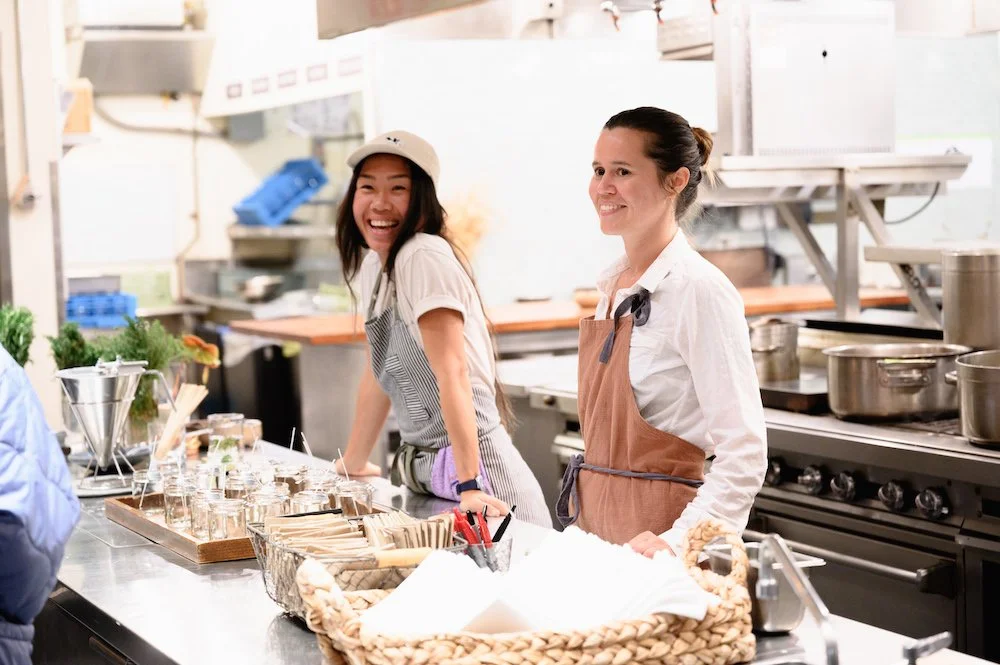
We created new interfaces to engage the public with our R&D, including ecological hikes, taste evaluations, artisan workshops and the opening of the Cafeteria. Located at our campus’ entry point, the Cafeteria offers a space for visitors to taste the evolving work of our farm and Blue Hill’s culinary innovation.
15,000
Visitors welcomed in our newly opened Cafeteria.
SEED BREED
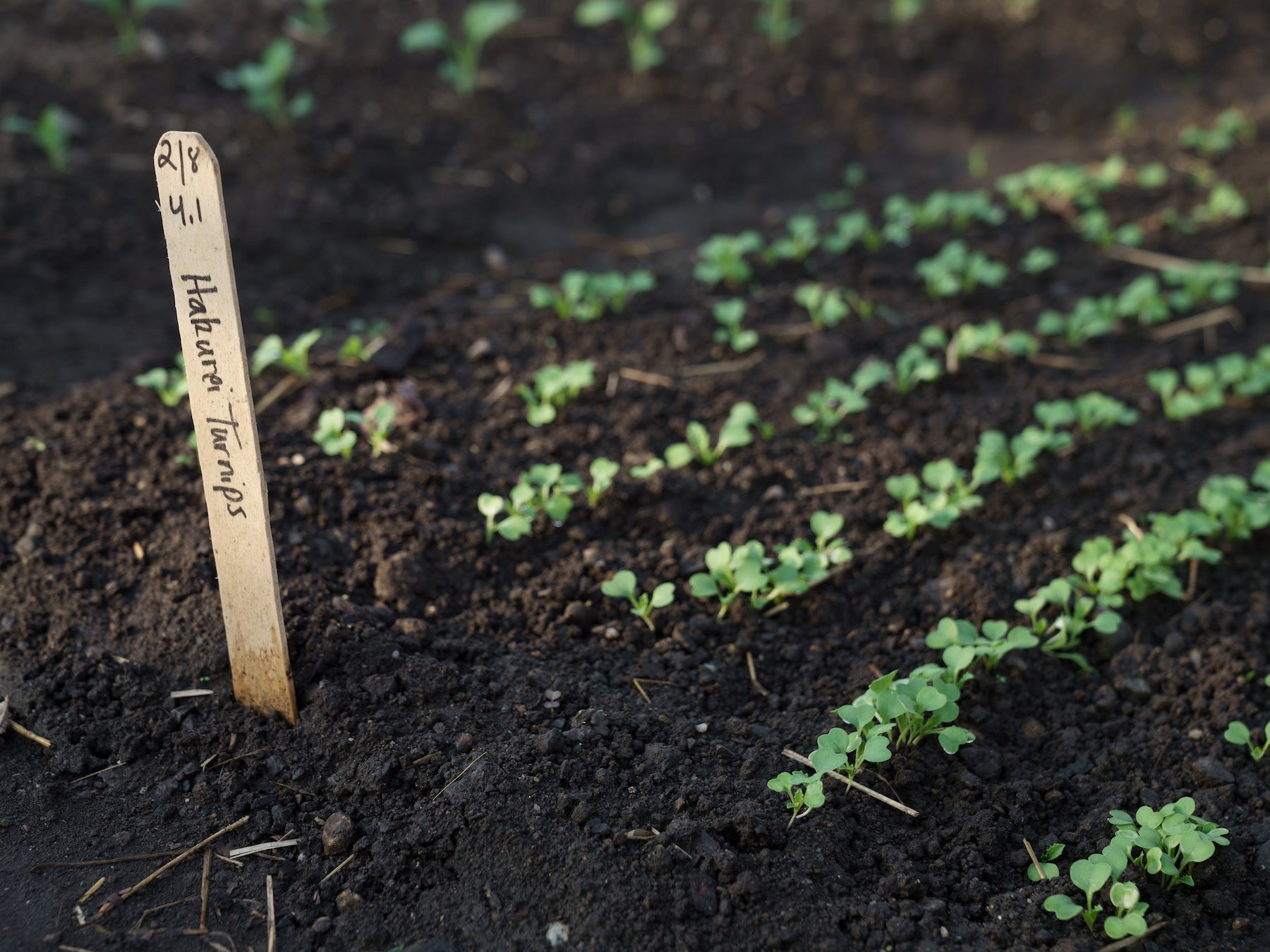
Through seed selection, variety trials, and taste evaluations with Blue Hill chefs, we are continuously adapting new crops to the Northeast. In November, we held the inaugural Seed Lab Advisory Committee Meeting to discuss the challenges facing the independent, regional seed movement.
>300
Varieties of vegetables, flowers, grains and herbs planted across our farm.
CLIMATE RESILIENCE
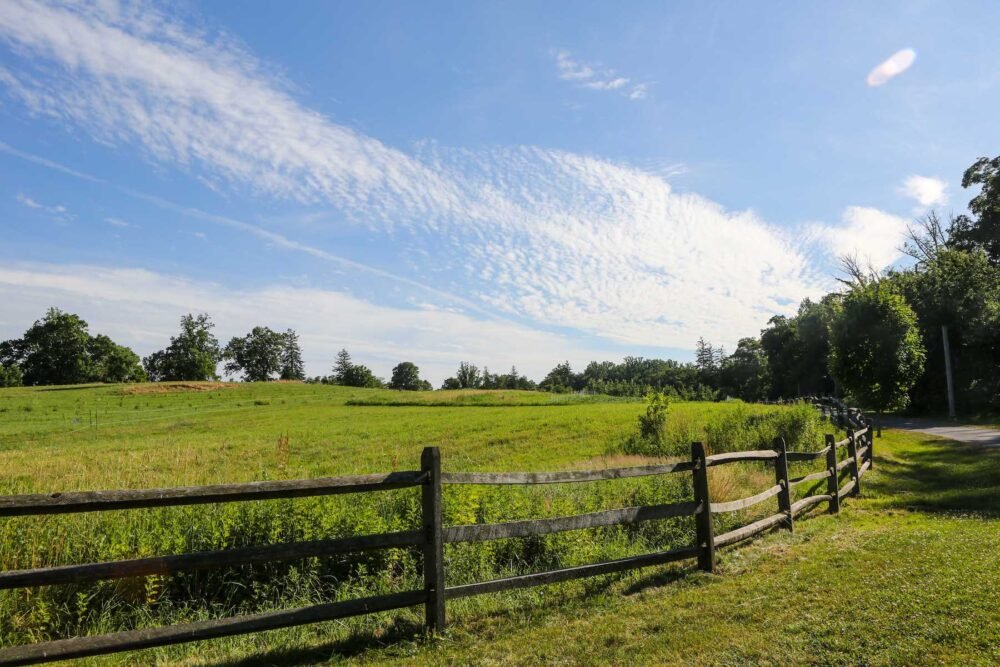
We began a multi-year project to introduce native warm season grasses and climate-adaptive wildflowers to our ecosystem. In the coming years, the Ecological Monitoring team will play a central role in tracking data on water, air, and soil health as well as plant and insect biodiversity.
42
Acres of land converted to native warm season grasses by 2025
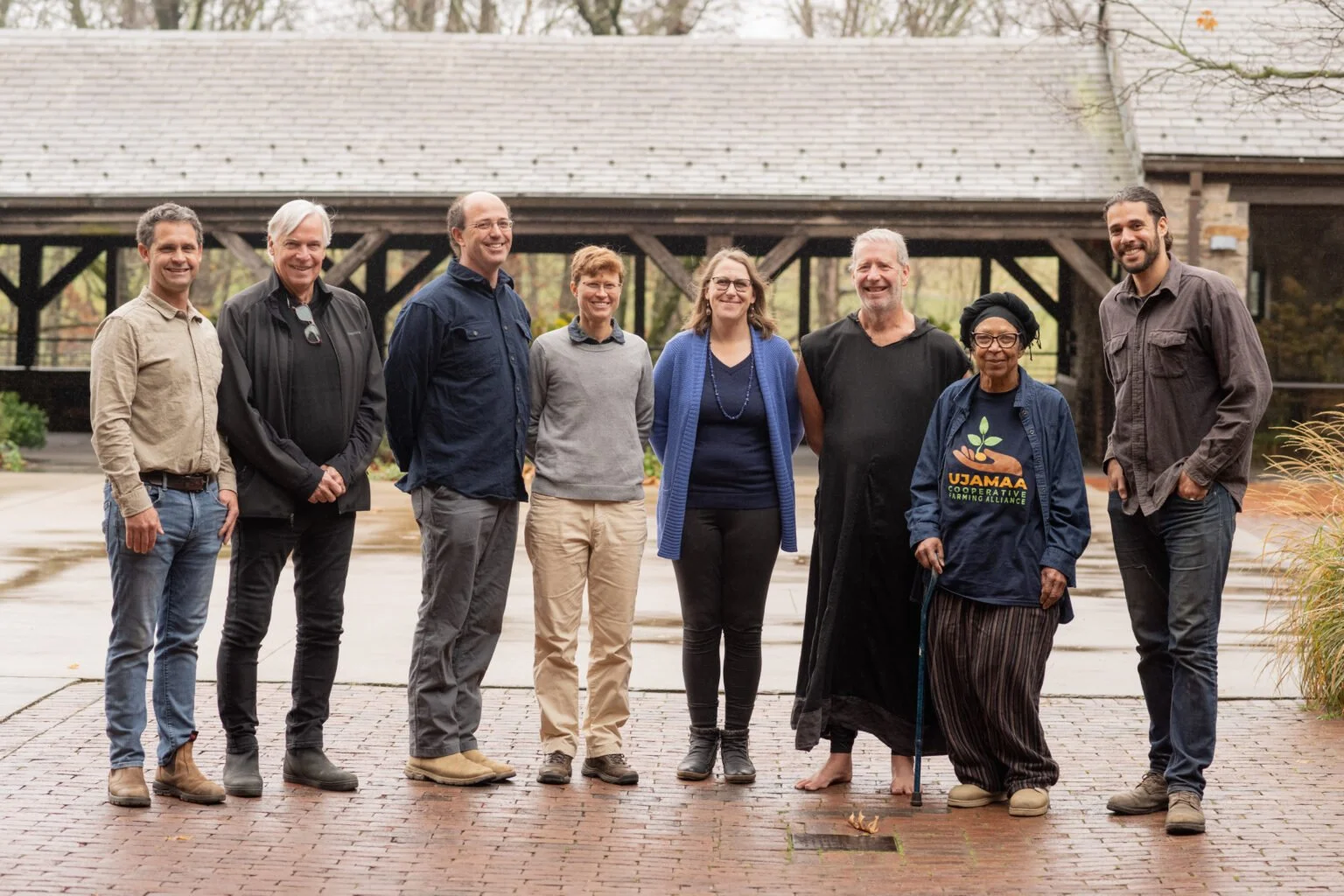
OUR BOARD OF DIRECTORS
Focused on amplifying the impact of public, education, and training programs to create a healthy and sustainable food system.
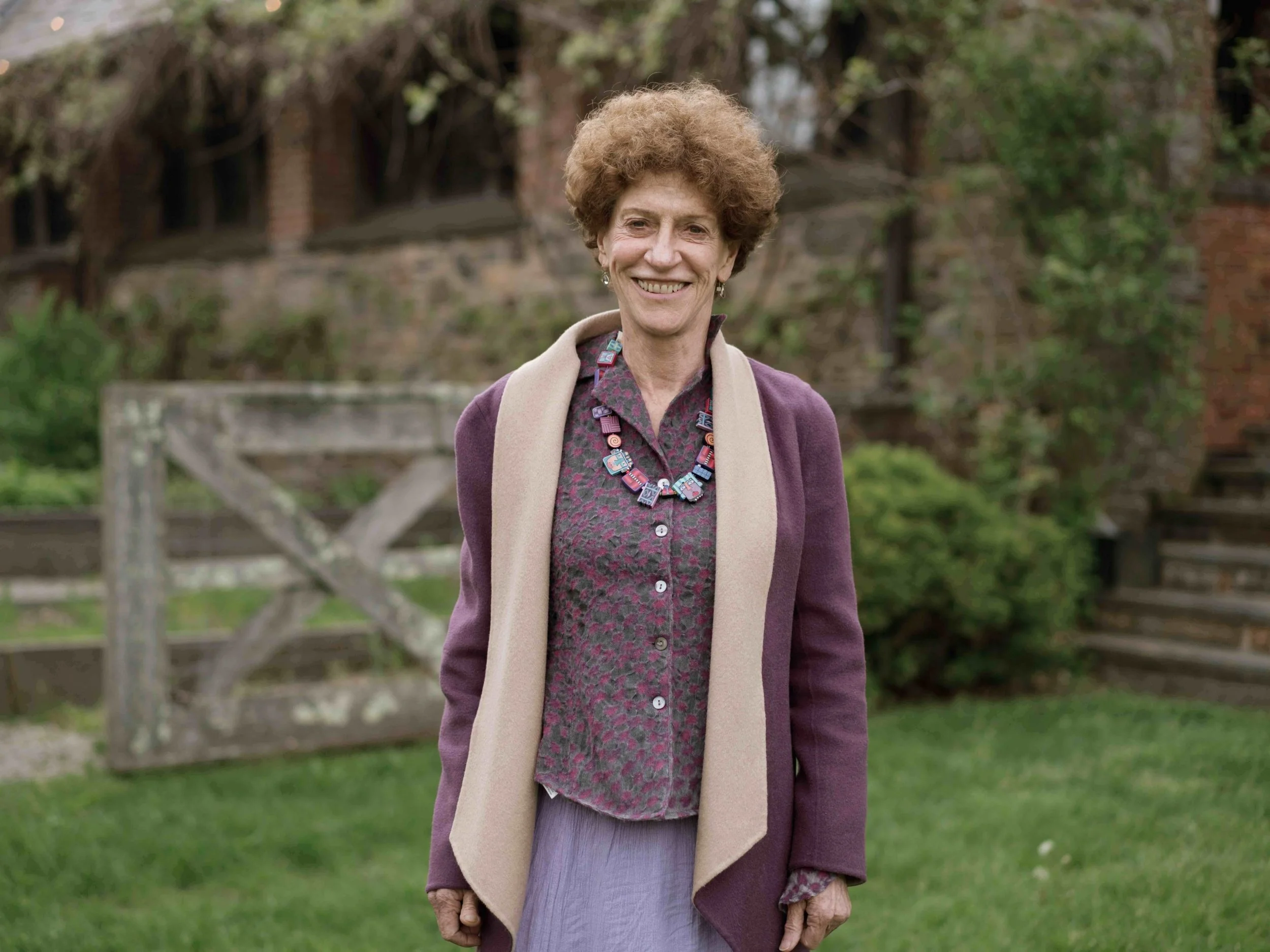
Peggy Dulany
Board Chair
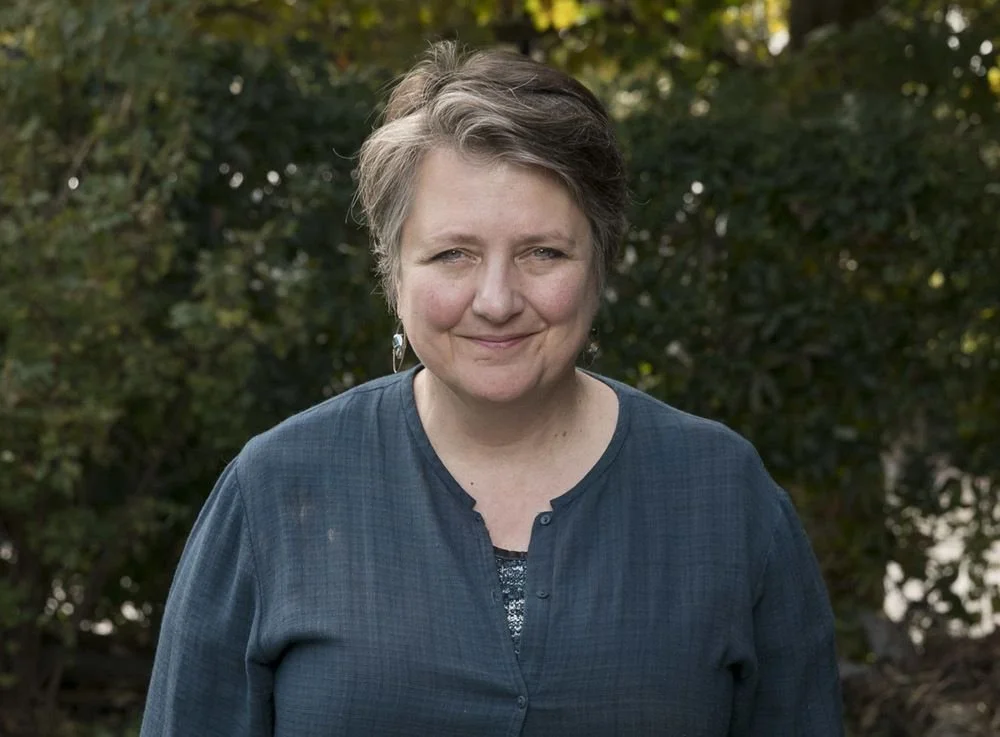
Kathleen Merrigan
Board Secretary
DONORS
FARMER
$100,000+
The Manton Foundation
Wildlife Conservation Society
Larry and Victoria Lunt
Andrea and Eric Colombel
Raj and Indra Nooyi
Peggy Dulany
SHEPHERD
$50,000-$99,999
Arete Foundation
The Fine & Greenwald Foundation, Inc.
Sue and David Rockefeller
Terri and Richard Kim
Paul and Jenna Segal
Elaine Musselman
Patti Harris
O'Neill Family Charitable Trust
Sarah K. De Coizart Article TENTH Perpetual Charitable Trust
Marian F H Wright and Gregory J Boester
HARVESTER
$25,000-$49,99
Mimi and Peter Haas Fund
Sarah and Daniel Rueven Foundation
Amy and John Weinberg
Ms. Joyce Lee
Mrs. Felicitie Daftuar
Tracy Tang
Lesley and Bill King
2022 FINANCIALS
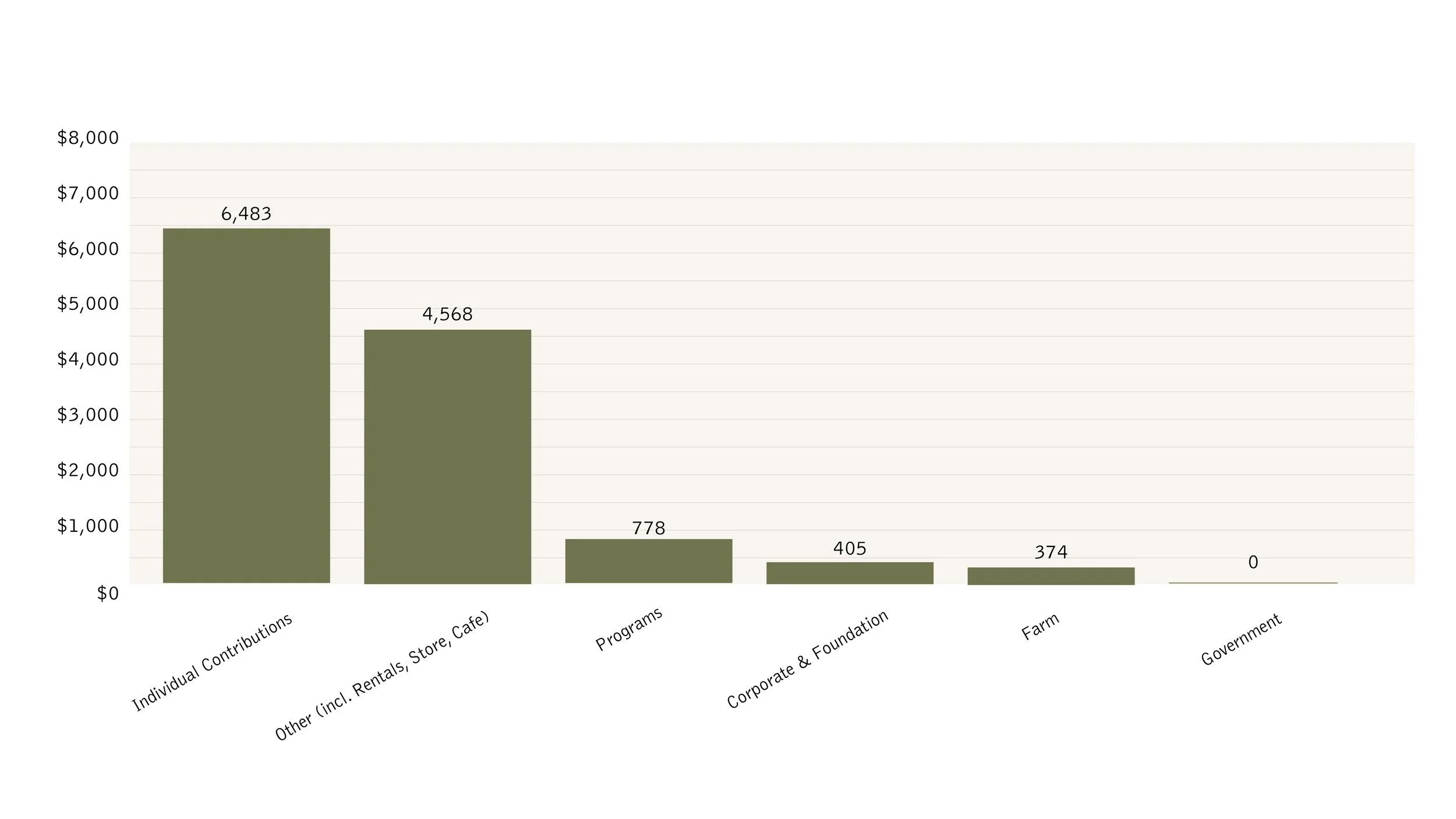
INCOME
$12,608
All numbers in thousands. These numbers are based on audited financials.*
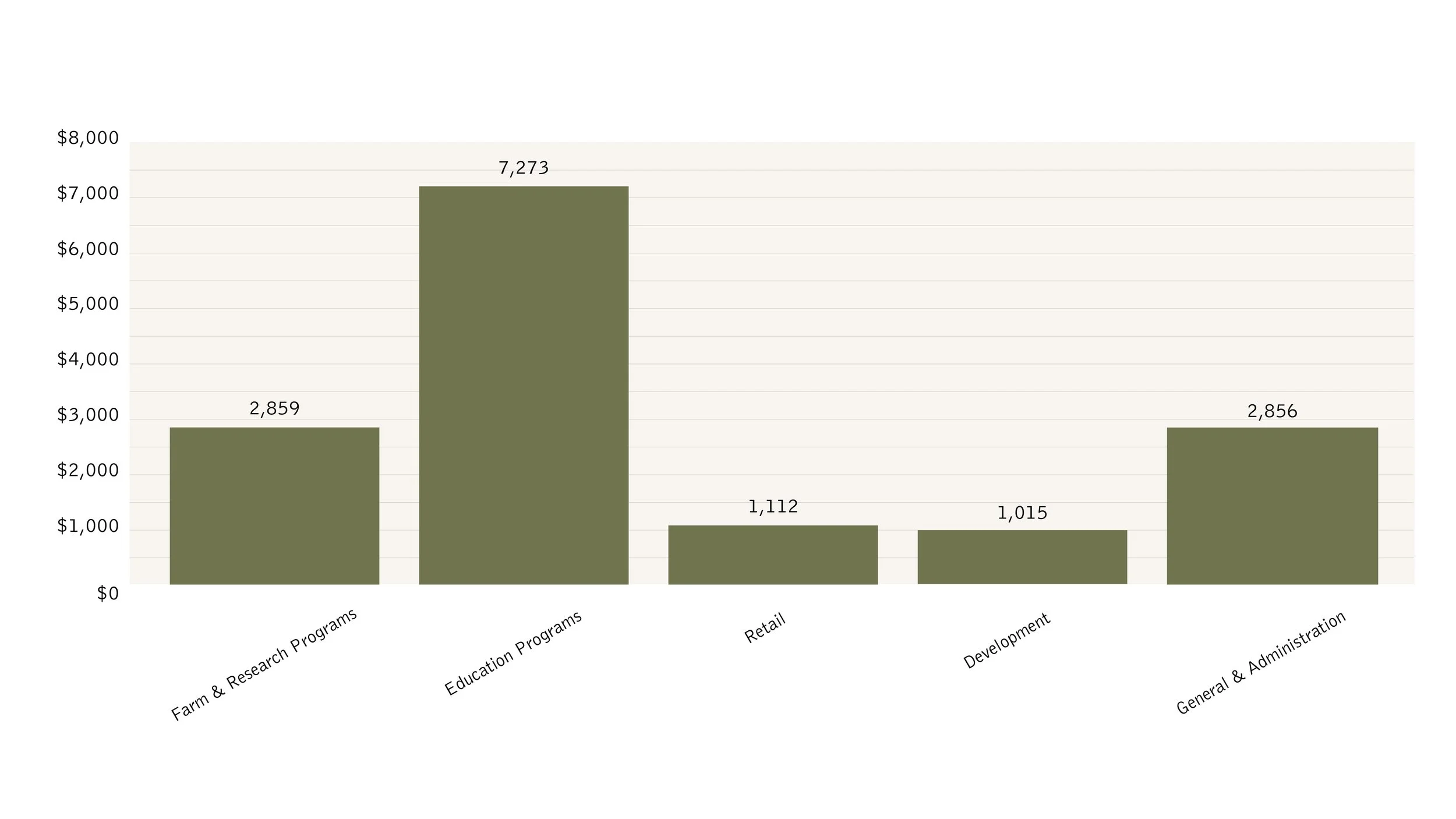
EXPENSES
$15,115
All numbers in thousands. These numbers are based on audited financials.
Statement of Financial Position (numbers in thousands)
Total Assets
$96,425
Total Liabilities
$1,598
Net Assets Without Donor Restrictions
$93,272
Net Assets With Donor Restrictions
$1,555
Total Net Assets
$94,827
Total Liabilities and Net Assets
$96,425
*Excluding gains/losses associated with investment accounts
support Our Regional Food Work
Join our movement of farmers, chefs, and educators building an ecological food culture.