
OUR MISSION
IS TO CATALYZE AN ECOLOGICAL FOOD CULTURE IN THE HUDSON VALLEY
Through our interdisciplinary research, we are building a food system that benefits human health, strengthens communities, and protects our soil.
Our Work
-
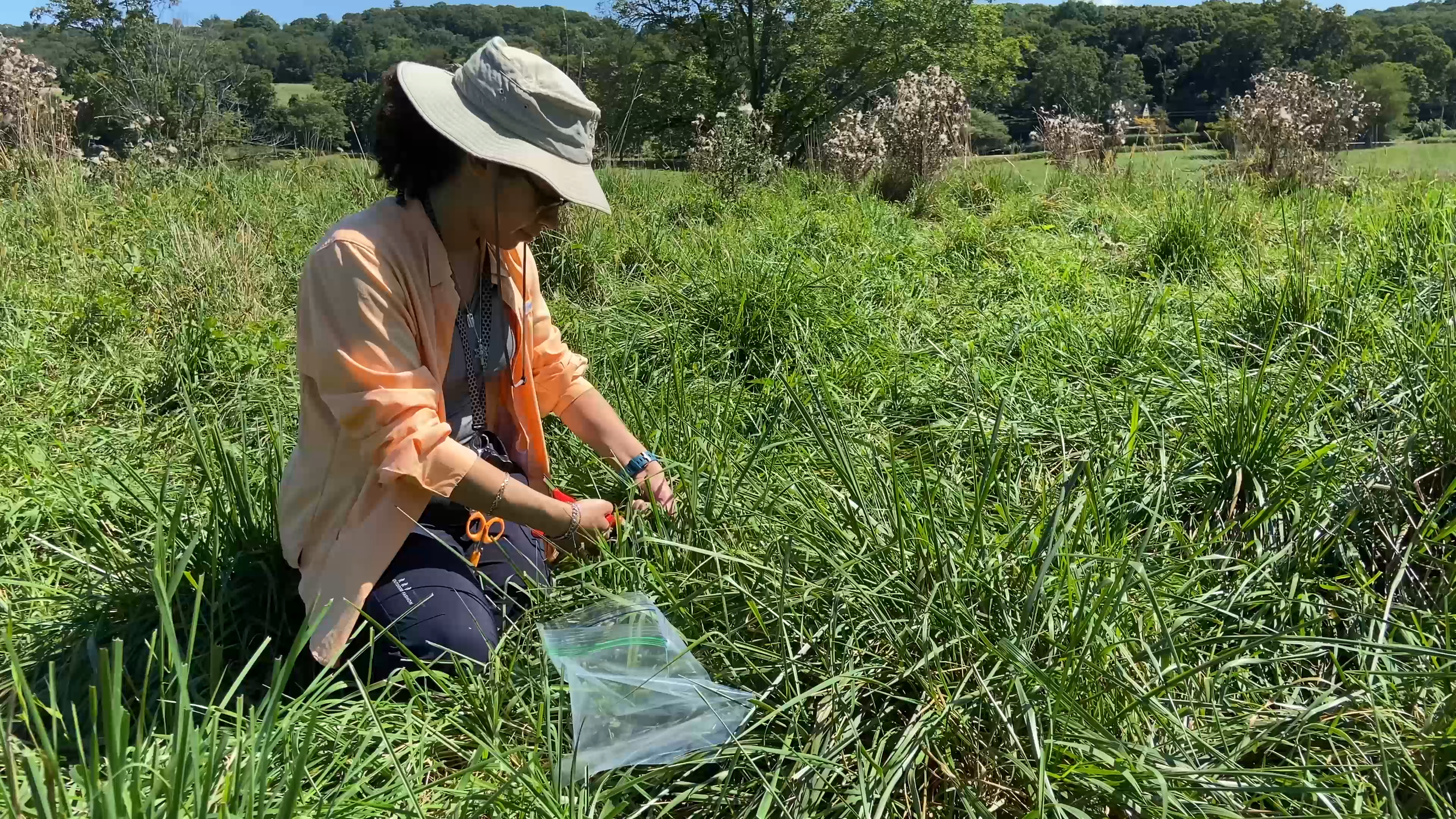
Agroecosystem Research & Production
Through Crops, Livestock, Ecosystems Management, and Ecological Monitoring programs -
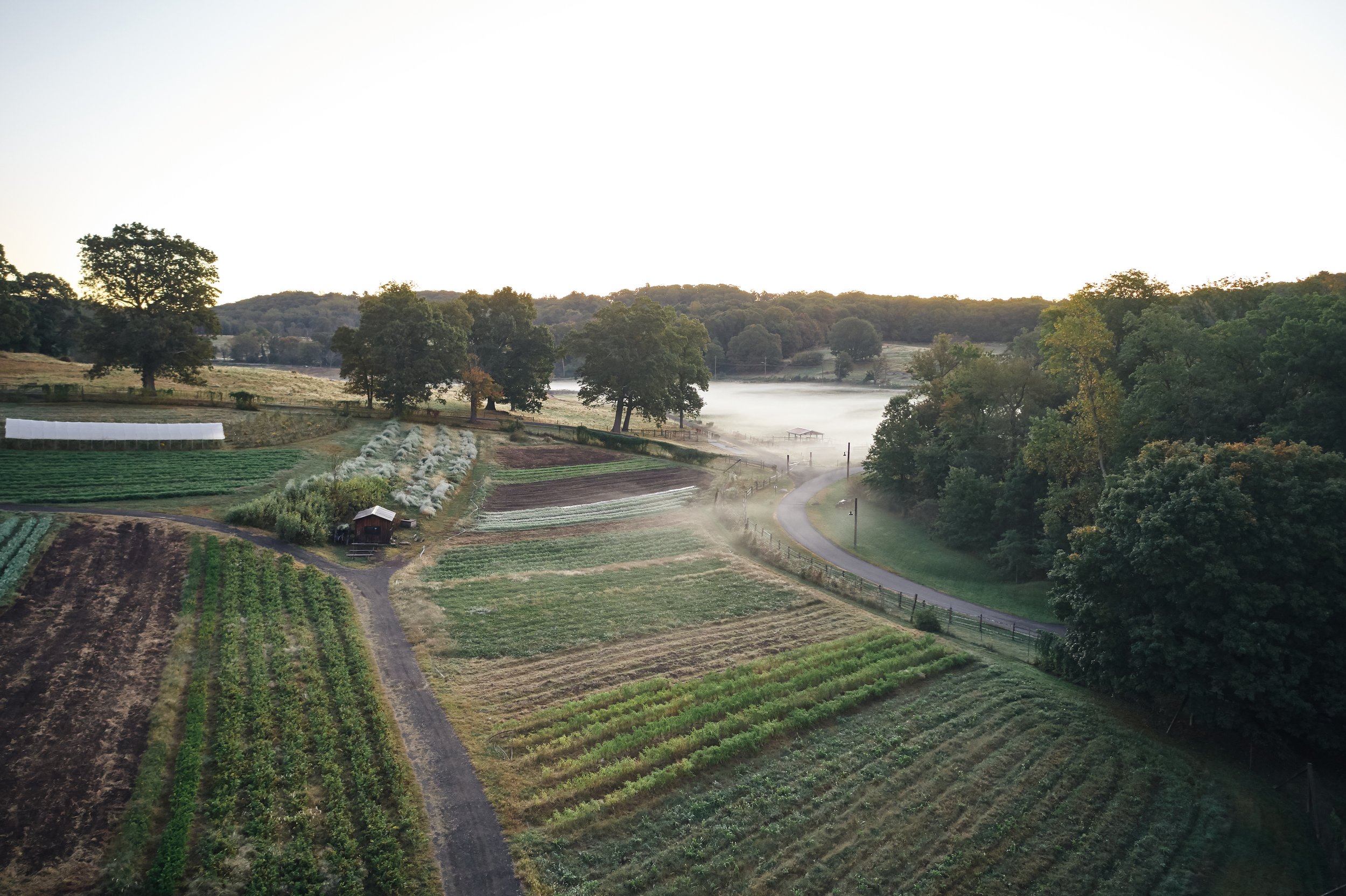
Advisory Services
Supporting public and private entities in strengthening their sustainability approach -
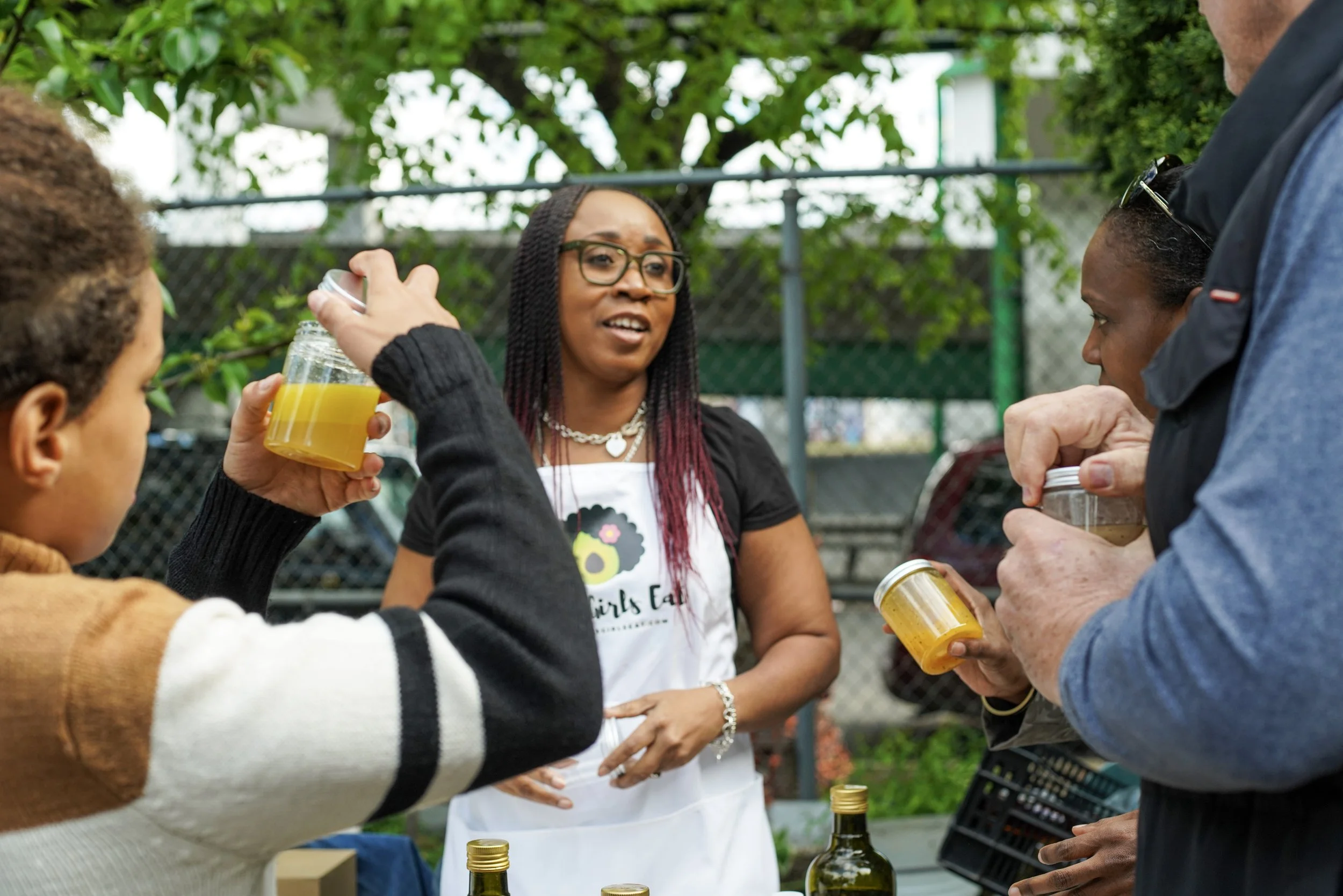
Strategic Partnerships
Building a network of key partners across our regional food system -
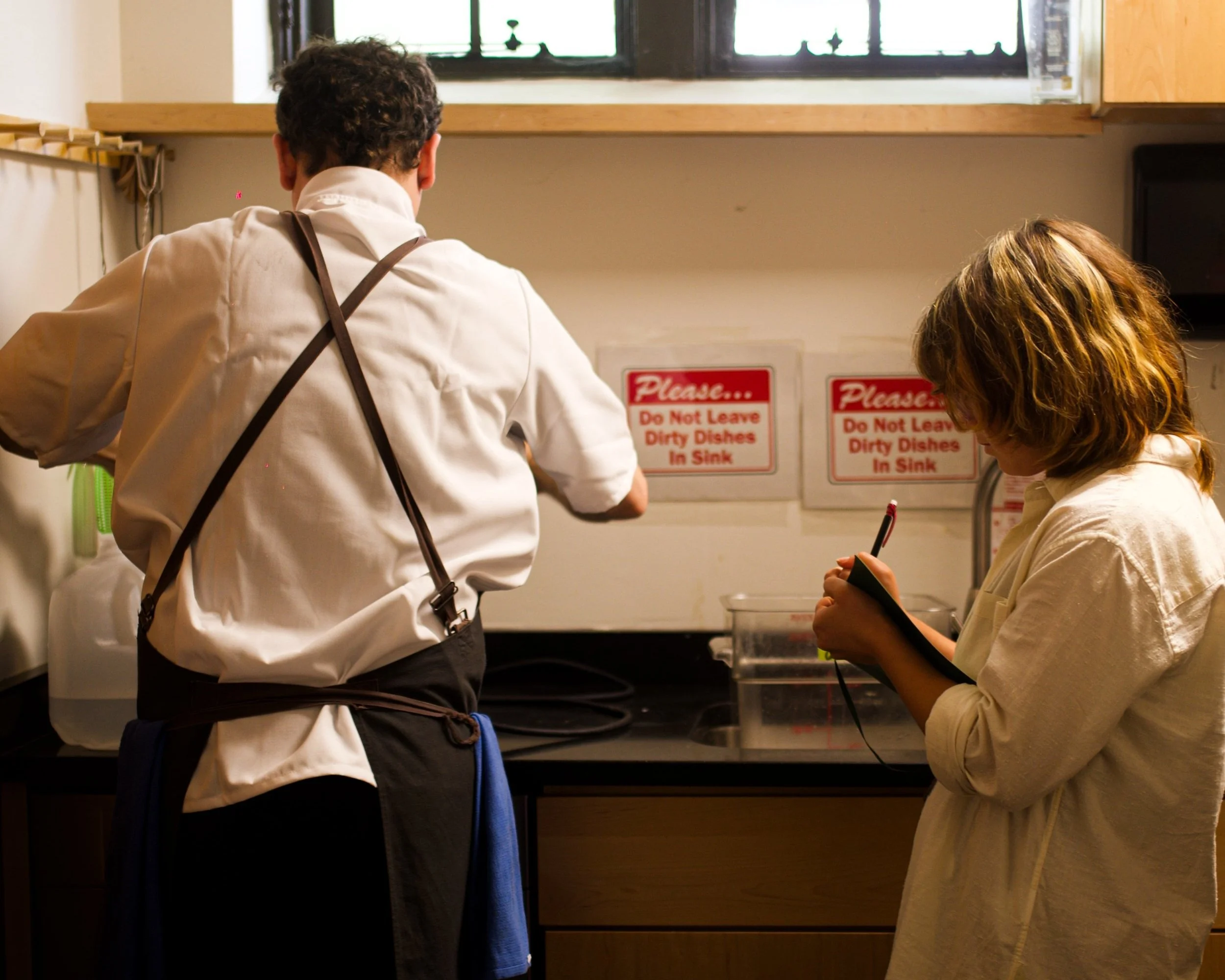
Culinary Research
Collaborative research and experimentation with our restaurant partner, Blue Hill -
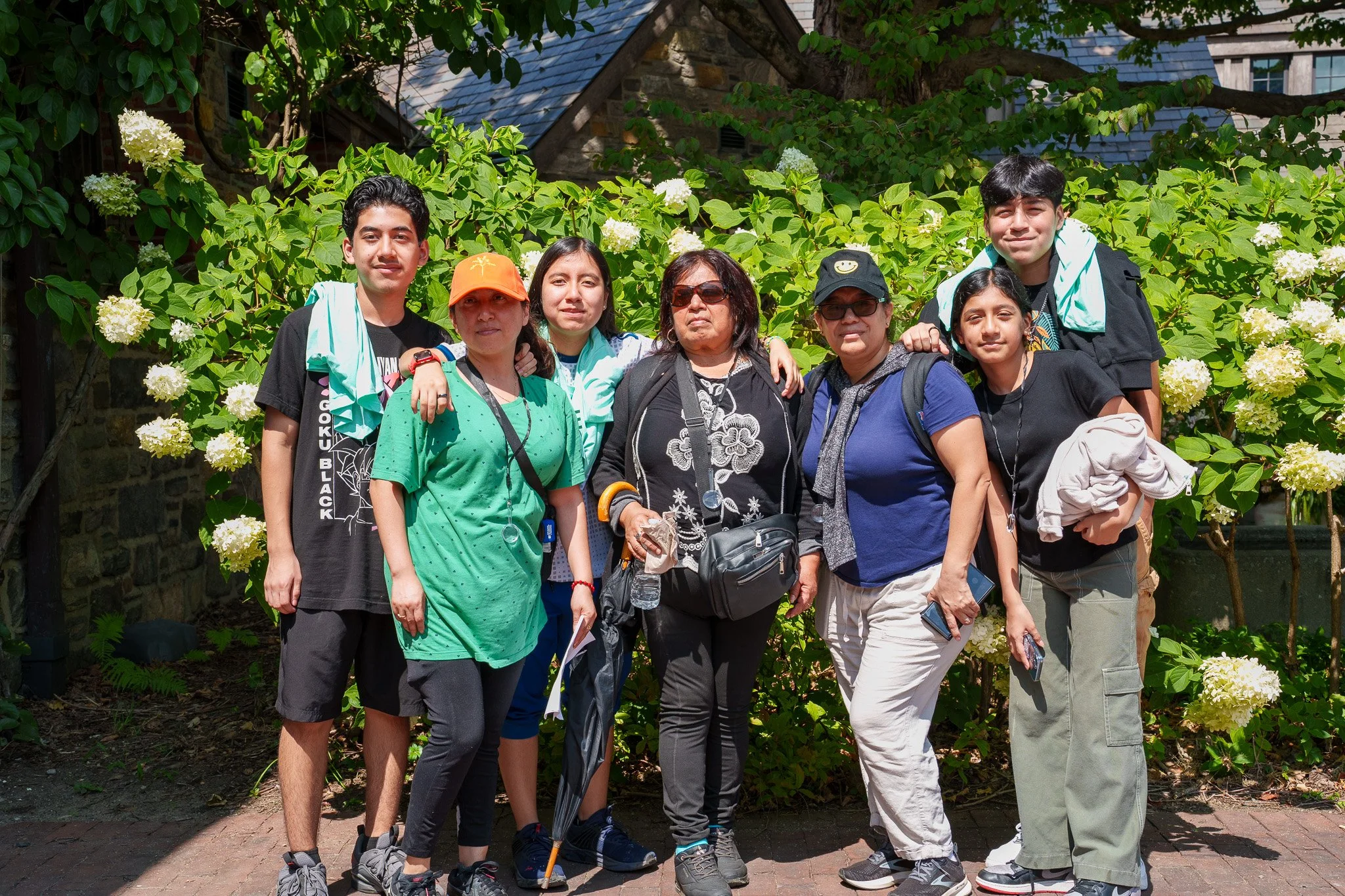
Community Engagement & Education
Building an ecologically-minded community on and off campus.

Resource Library
Explore our peer-reviewed publications, research abstracts, and interactive ArcGIS StoryMaps.
FARM OPERATIONS
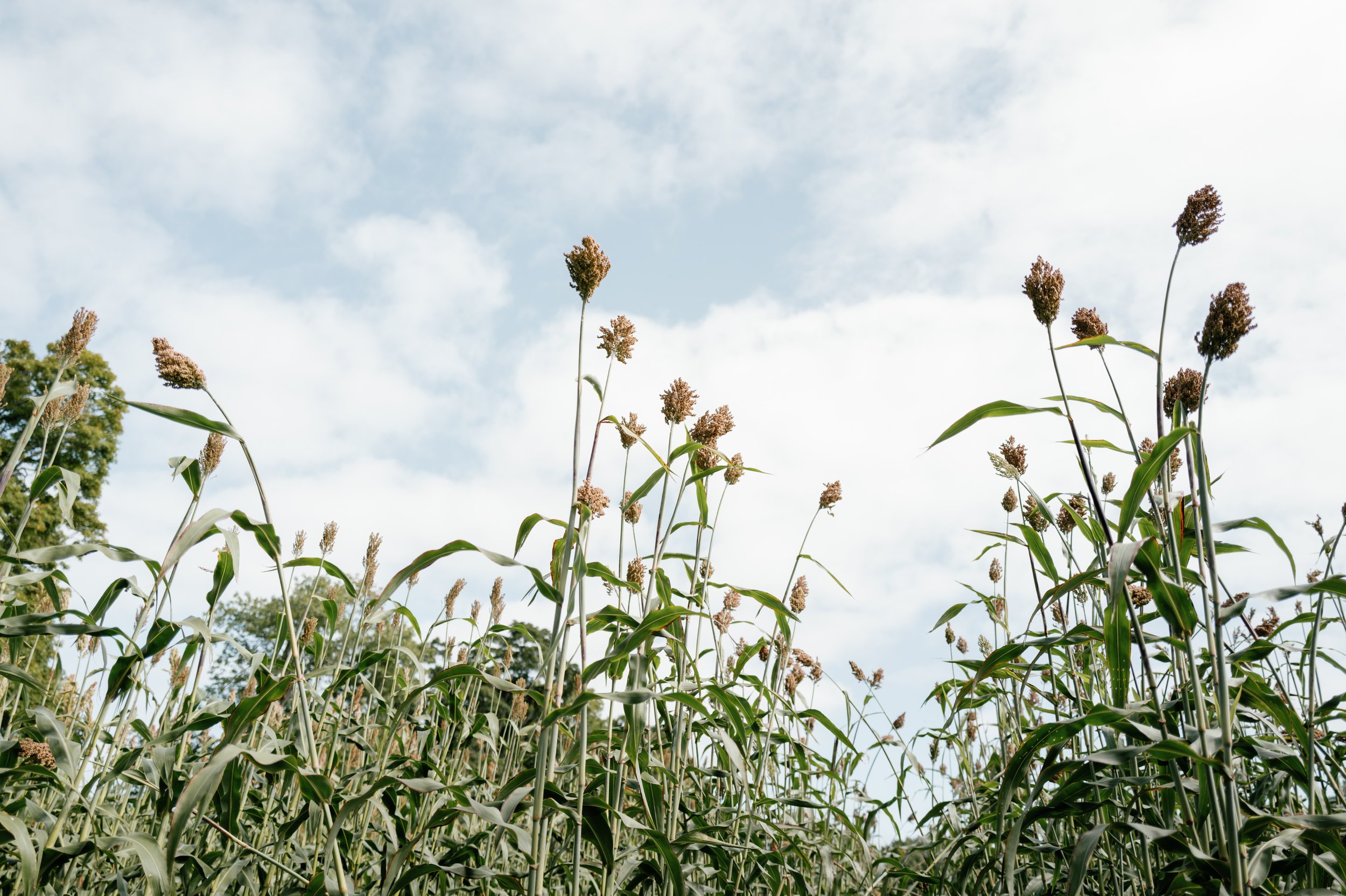
Our Crops team grows over 300 varieties of vegetables, grain, cut flowers, and cover crops on the farm, selecting for flavor, nutrition, soil health benefits, and adaptability.
PROGRAM FEATURES
Soil-based greenhouse on a ten-year crop rotation
Five acre vegetable field on two, seven-year crop rotations
Ley rotation integrating pasture, grain, vegetables, cover crops, and grazing livestock
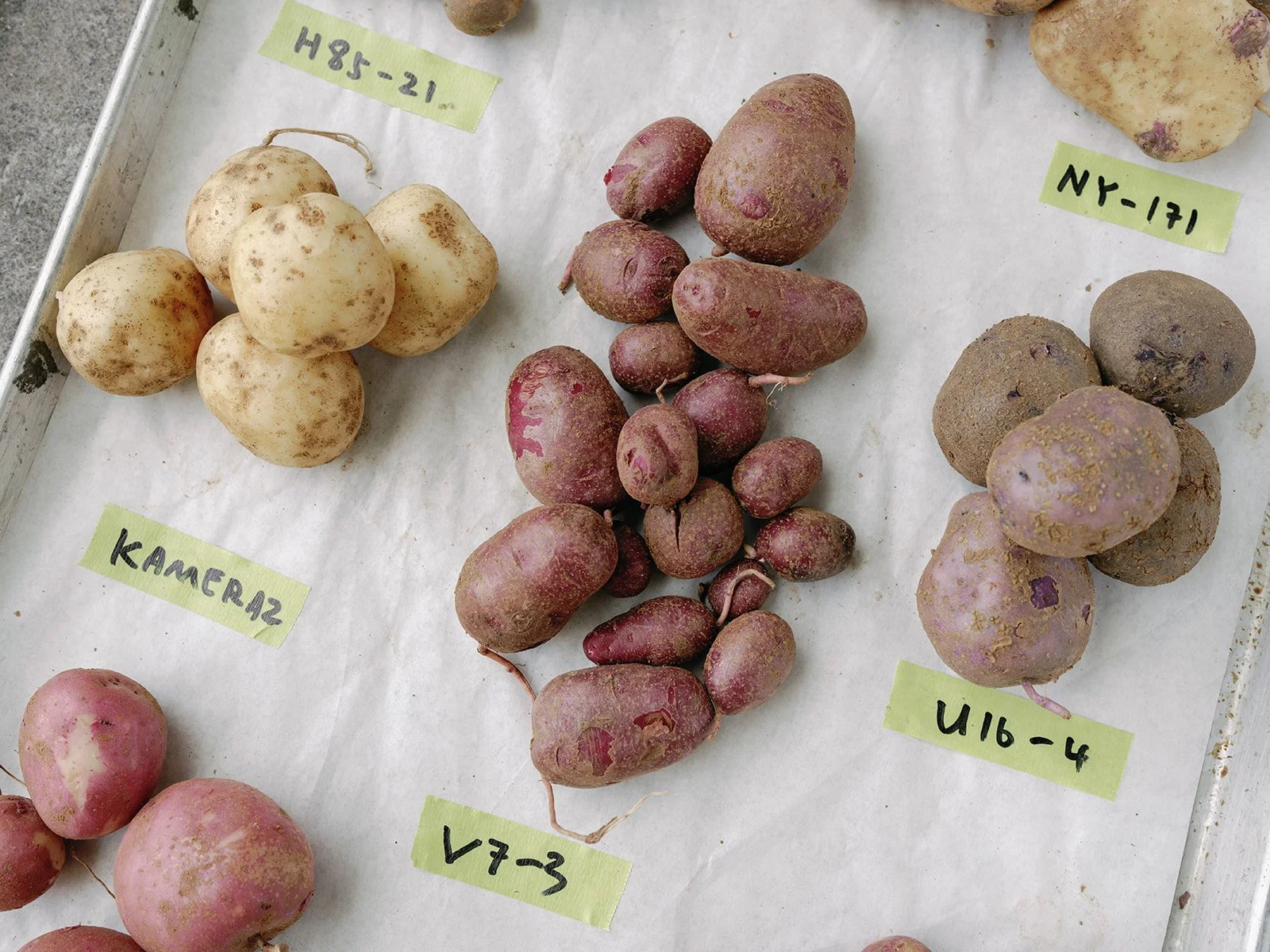
On-site seed saving, breeding, and variety trialing
arcgis storymaps
PROJECT HIGHLIGHTS
Sorghum
In collaboration with Cornell University, Clemson University, Empire Syrups, and Blue Hill, we are trialing seven varieties of cane sorghum to produce syrup and spirits.
Upland Rice
With retired USDA rice geneticist Dr. Anna McClung and founder of Anson Mills Glenn Roberts, we are exploring upland rice genetics to find the most nutritious, flavorful, and regionally adapted varieties.
Cover Crops
Cover cropping is a key part of our soil health management strategy. In order to incentivize more Northeast farmers to adopt the practice, we are collecting tasting data from Blue Hill chefs and creating a cover crop mix with the greatest culinary and market potential.
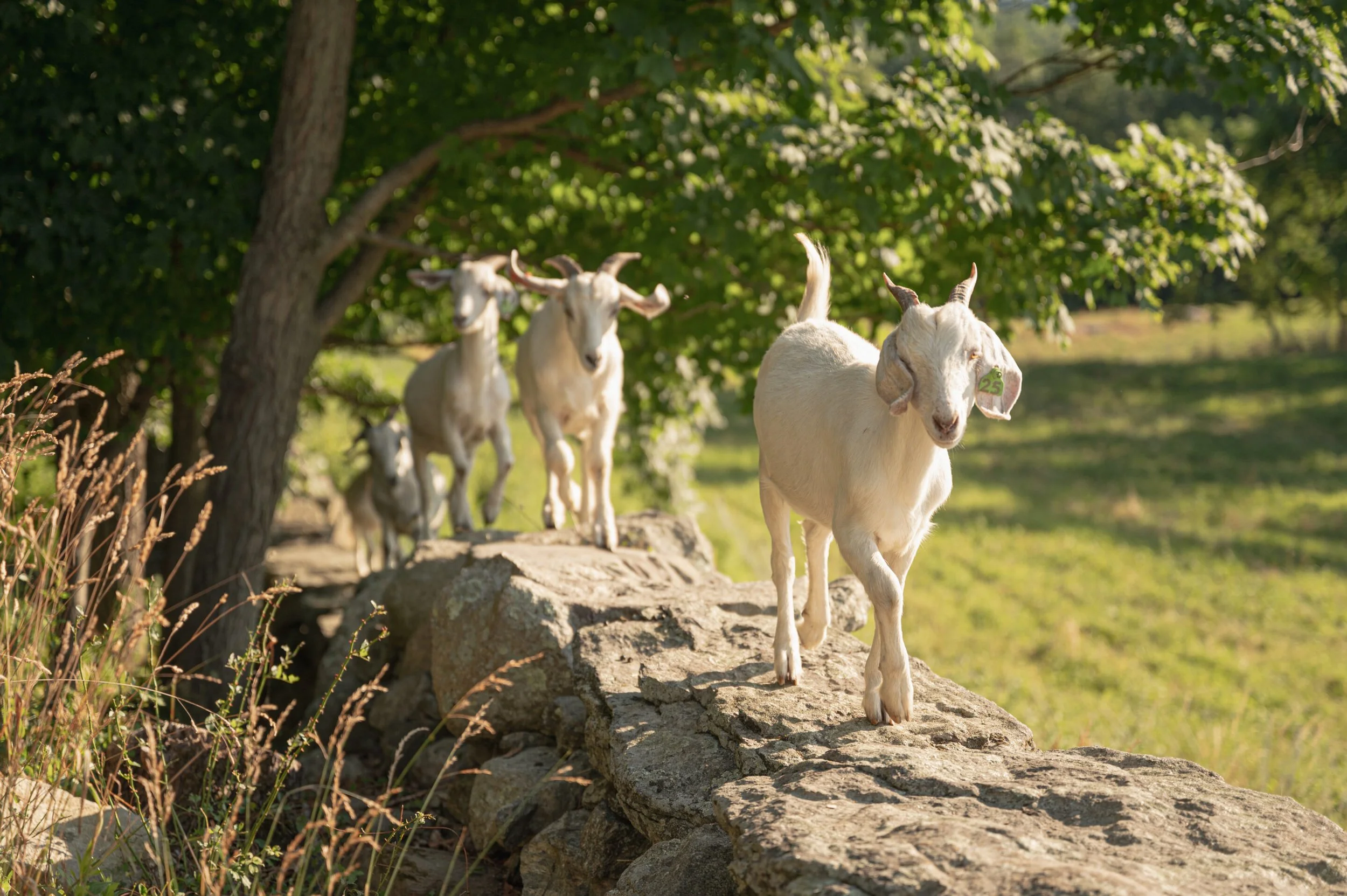
Livestock are a key component in our holistic management strategy. Our cattle, chickens, pigs, and goats support biodiversity, soil health, and carbon sequestration on the farm and in the Rockefeller State Park Preserve.
PROGRAM FEATURES
450+ acres of land managed in partnership with the Rockefeller State Park Preserve
Multi-species rotational grazing of cattle, chickens, and pigs
Invasive species management by grazing goats on woodland edges
Highest animal welfare standards from Certified Humane and Animal Humane
arcgis storymaps
PROJECT HIGHLIGHTS
Retired Dairy Cow
In partnership with Blue Hill and Edacious Labs, we are exploring the potential of 100% grass-fed dairy cow beef in supporting declining dairy farms within our region.
Rockwood Hall Goat Project
For over seven years, our goats have supported invasive species management throughout the Rockefeller State Park Preserve through our Conservation Action Plan.
Waste-Fed Omnivores
With support from SARE, we are using nutritional and sensory data to develop a Waste-Feeder’s Manual; a practical guidebook for waste-feeding hogs and hens.
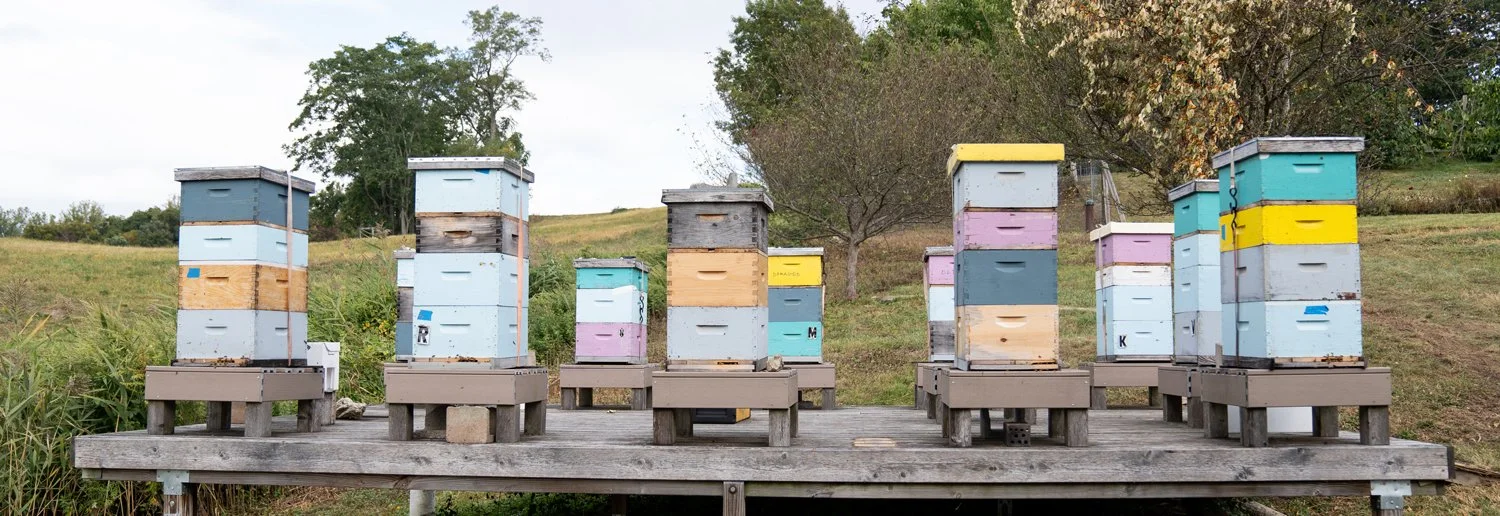
Our Ecosystems program is built to ensure the farm’s long term health and sustainability and cultivates balance and harmony in our growing spaces.
PROGRAM FEATURES
Mixed edible and ornamental landscapes, agroforestry, apiaries, fruit and nut orchards, pollinator hedgerows and gardens
Aerated static pile composting with wood chip bedding, municipal leaves, food waste and animal manures
Turned windrows of manures, leaves and vegetable waste
ARCGIS STORYMAPS
Supporting Pollinators in Your Landscape↗
PROJECT HIGHLIGHTS
Native Pollinator Tracking and Monitoring
Across the farm, we plant native flowers, trees, and grasses to encourage healthy populations of diverse pollinators.
Perennial Tree Crops
Our perennial tree collection, including pawpaw, persimmon, and chestnut provide habitat for wildlife and feed for livestock, improve air quality, and diversify farm income streams.
Northeast Hazelnuts
With trees from Rutgers University, we are establishing a trial nursery of over 400 hazelnuts in our Front Pasture. These trees are incorporated as an alley cropping structure in our farm’s ley rotation.
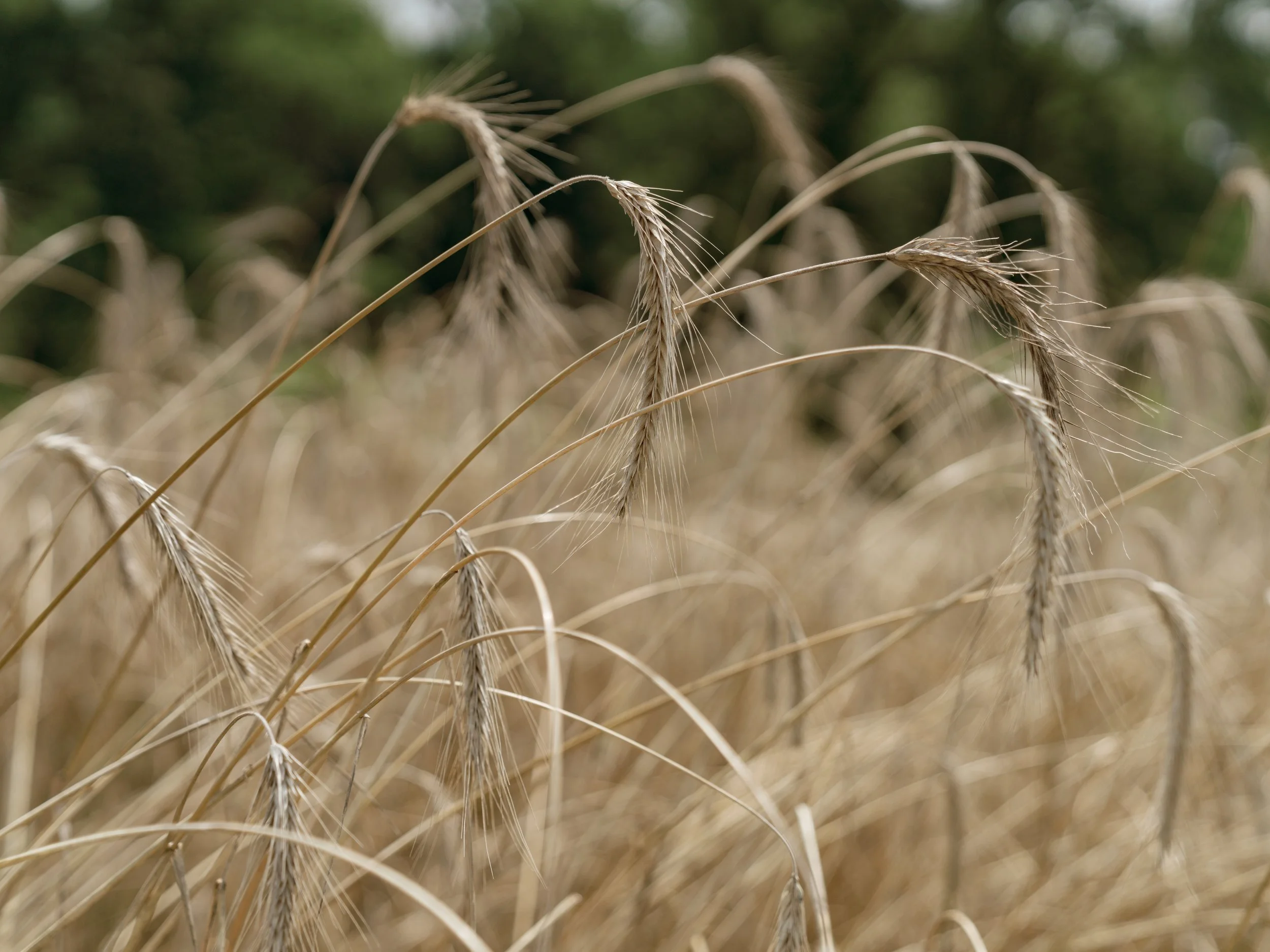
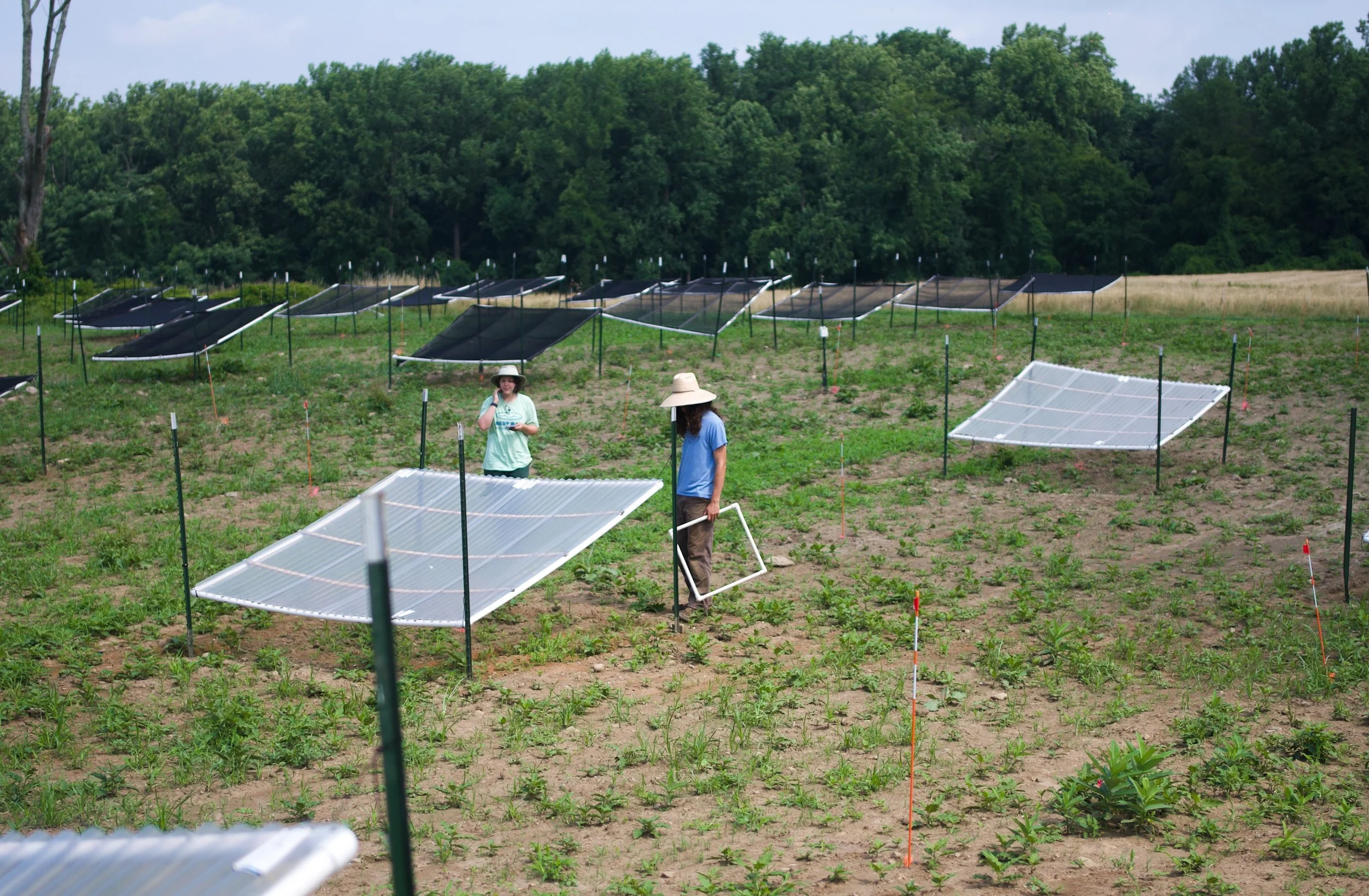
Our Ecological Monitoring program monitors soil health, water quality, and insect, plant, and bird diversity to understand the system-level impact of our farming practices.
PROGRAM FEATURES
Chemical, physical, and biological soil health analysis
Greenhouse gas flux monitoring in partnership with The Columbia Climate School
Monitoring water quality in the Pocantico River watershed
Insect, plant, bird, and other biodiversity monitoring, plus forage quality analysis
Data collection and analysis to evaluate our regenerative practices and research projects
ArcGIS database development
ARCGIS STORYMAps
Native Warm Season Grassland Restoration Project↗
PROJECT HIGHLIGHTS
Conservation Action Plan
Together with the Rockefeller State Park Preserve, we manage 450+ acres of state park land through multi-species rotational grazing. Using our ecological monitoring data, we are understanding the role that regenerative farms can play in land conservation strategies.
Ley Rotation
Over the course of 15 years, we have established a ley rotation that supports pasture health and diversifies crop production. Now with support from SARE, we are collecting data to demonstrate its benefit to soil health, carbon sequestration, and forage quality for Northeast farmers.
Native Warm Season Grassland Restoration Project
With the Center for Native Grasslands Management at the University of Tennessee and the Rockefeller State Park Preserve, we converted 45 acres of state park land to native warm season grasses and collect extensive ecological impact data.
OUR ECOLOGICAL PRINCIPLES
-
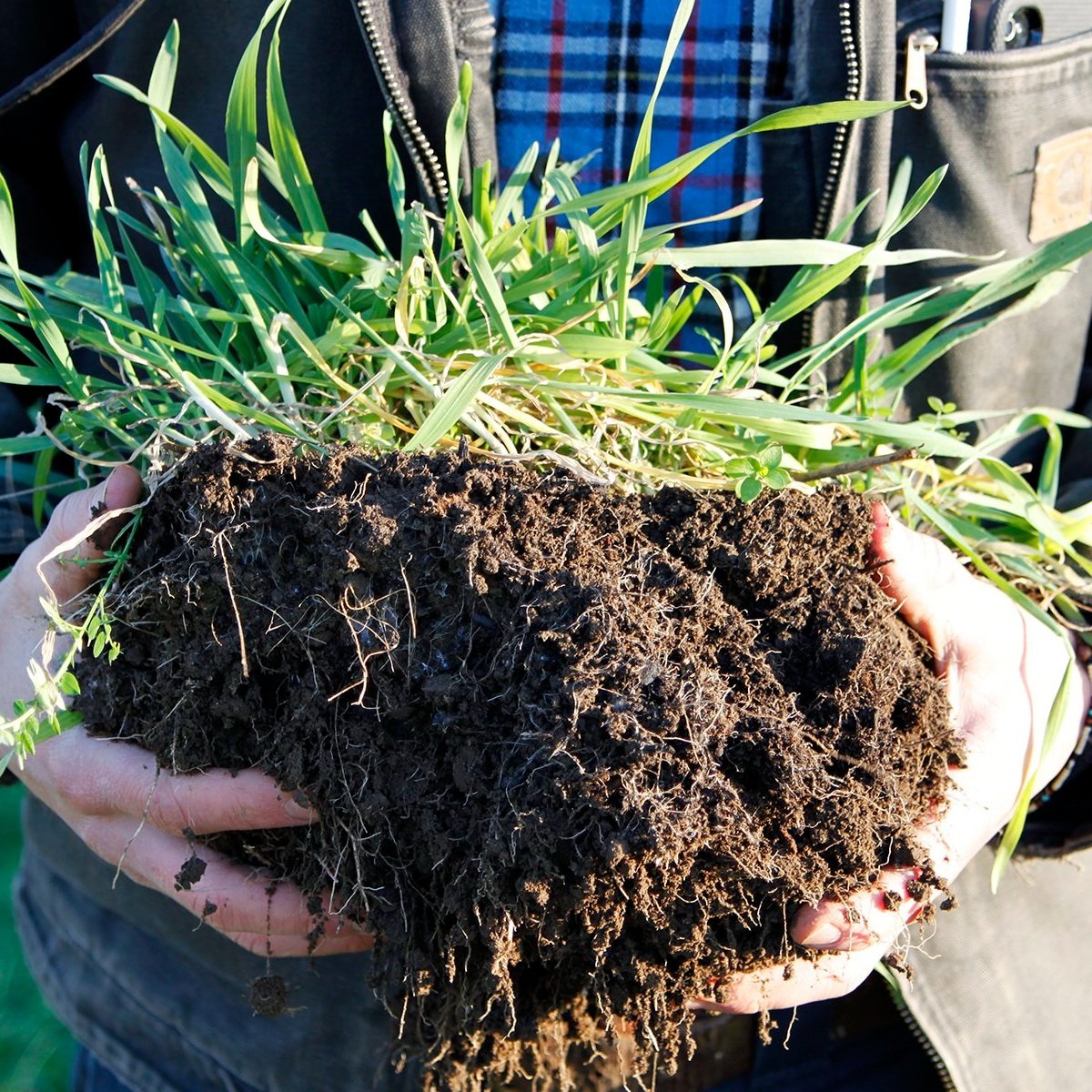
Soil is the foundation of health, nutrition, and flavor
-
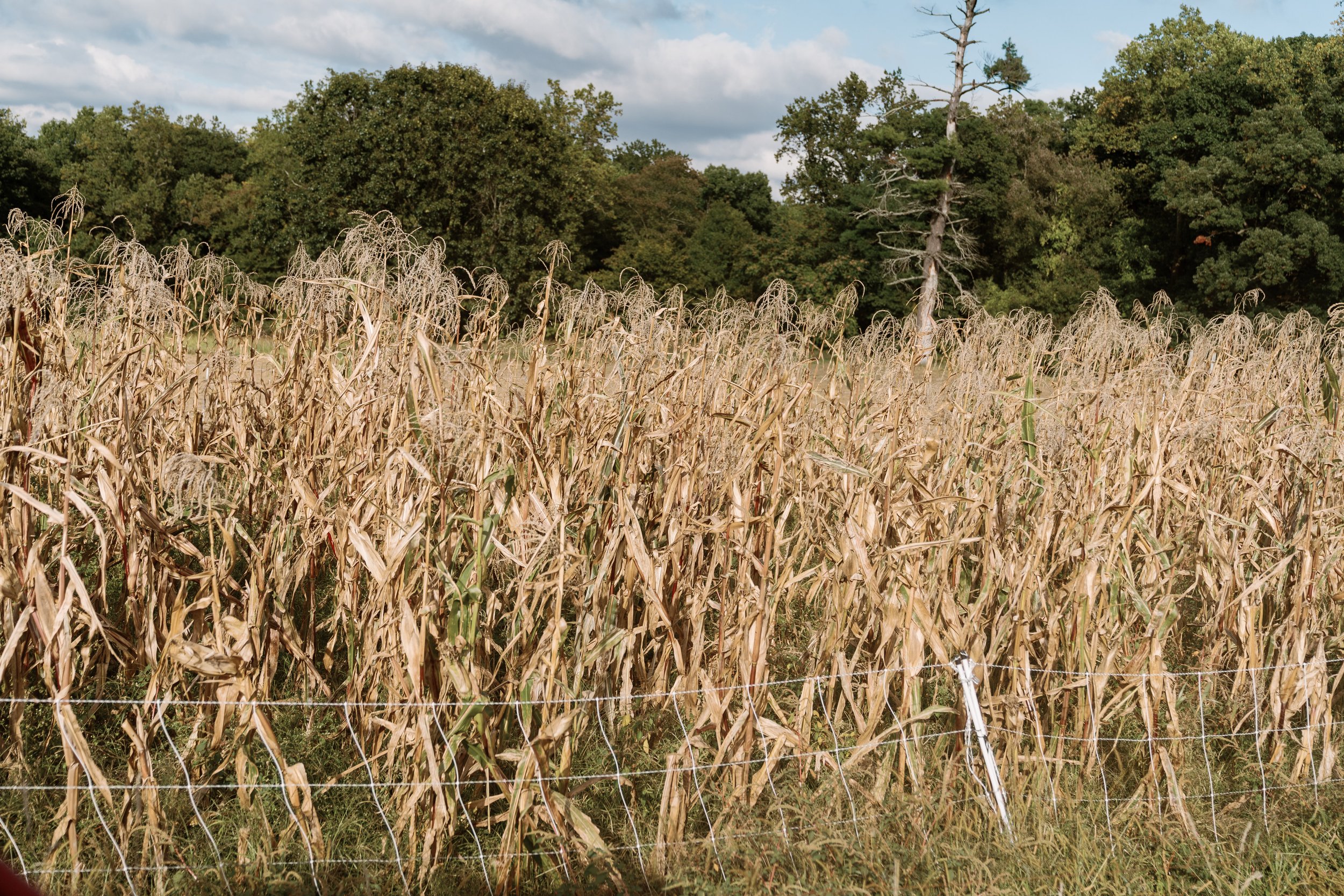
No waste is generated in a natural system
-
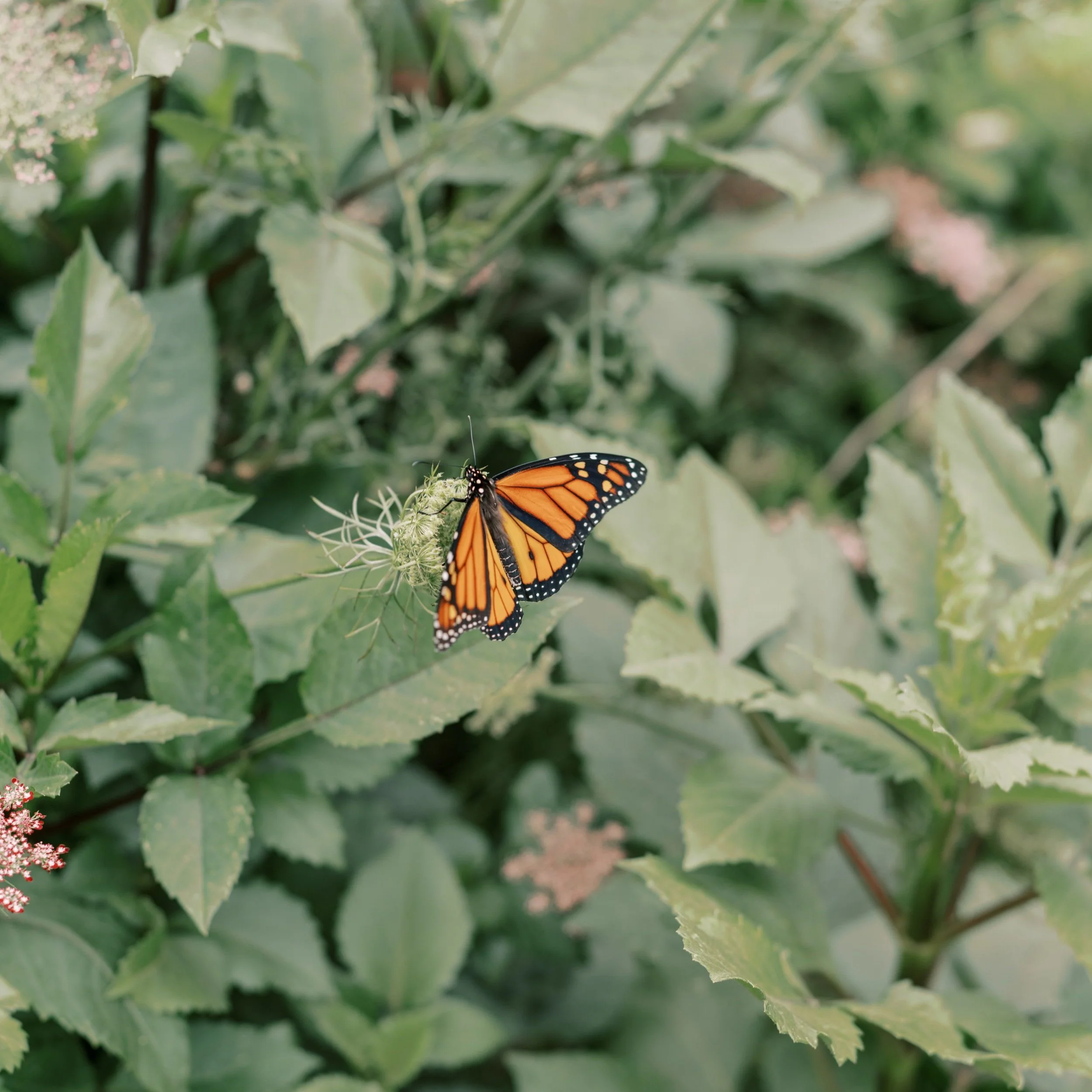
Biodiversity reinforces stability and resilience
-

Livestock are valuable contributors to our holistic management strategy
-

Ecosystems and wildlife habitats support our cultivated land
-
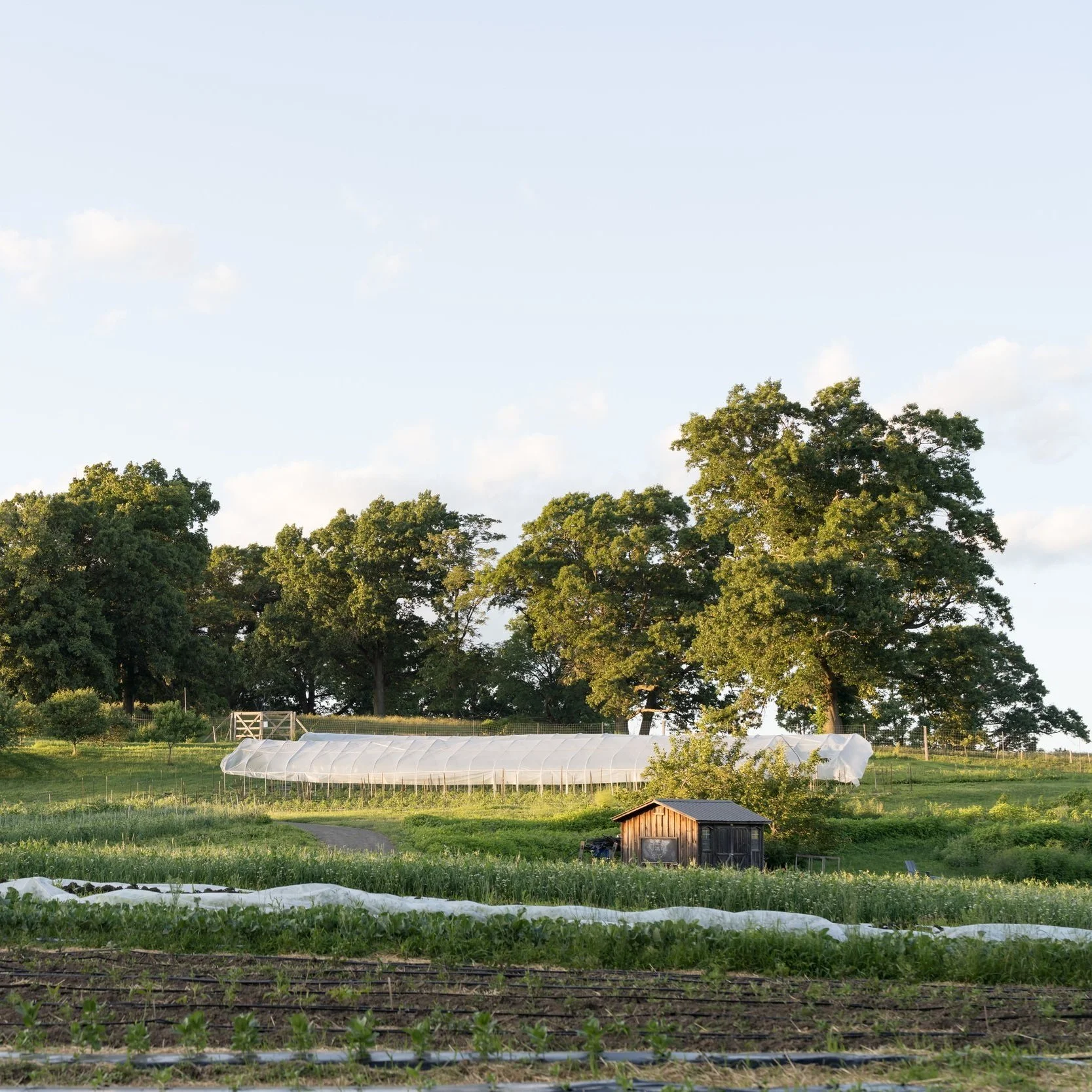
Mixed rotations provide the soil with nourishment and rest, ensuring future productivity
COMMUNITY ENGAGEMENT and education
Leading an Ecological and Accessible Food System (LEAF) directly distributes fresh food and equips families with the tools to grow their own at home and in local community gardens.
Advisory Services
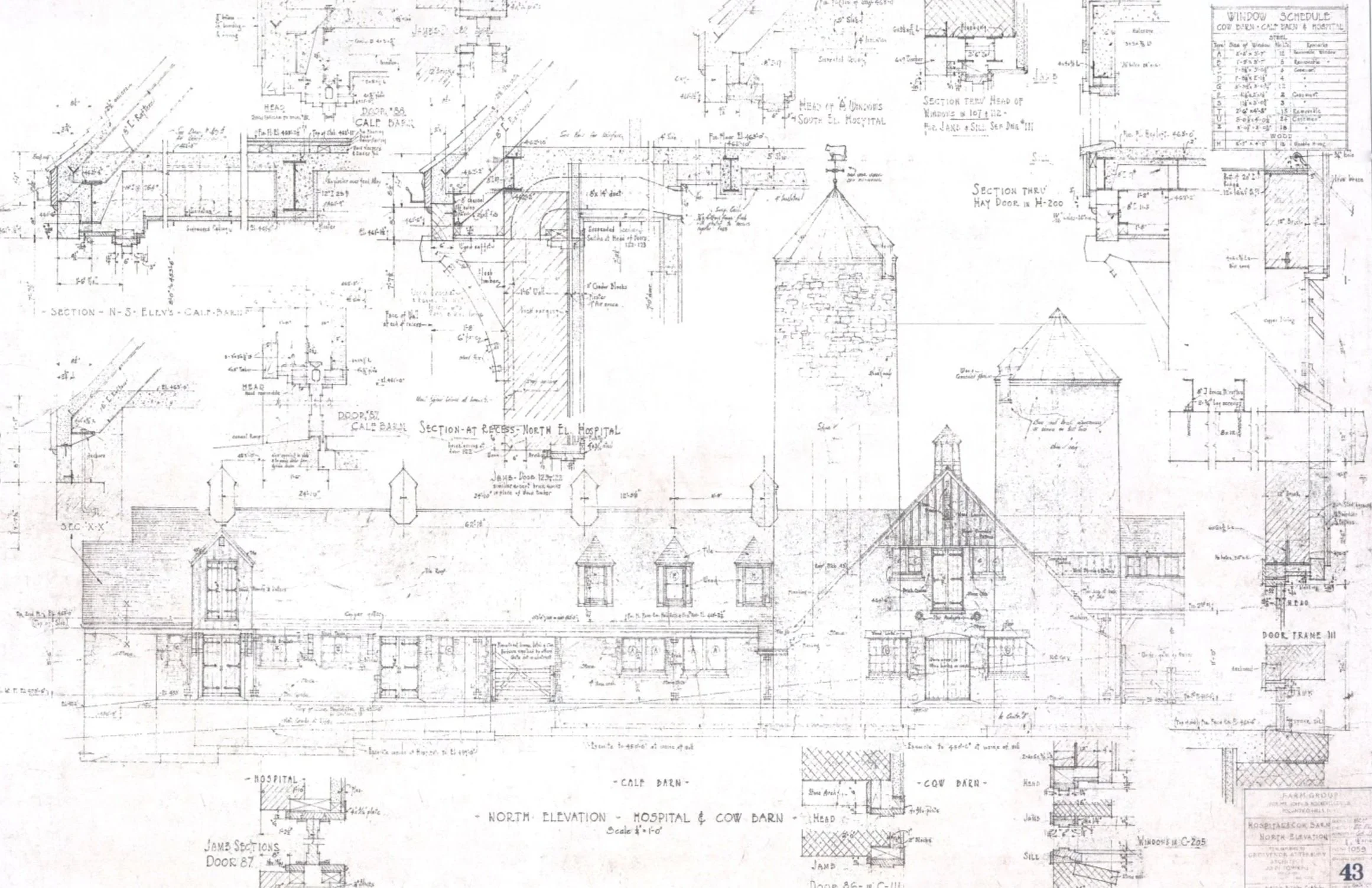
Stone Barns Center partners with mission-aligned leaders and organizations seeking to advance regenerative agriculture and food systems change.
OUR RESTAURANT PARTNER
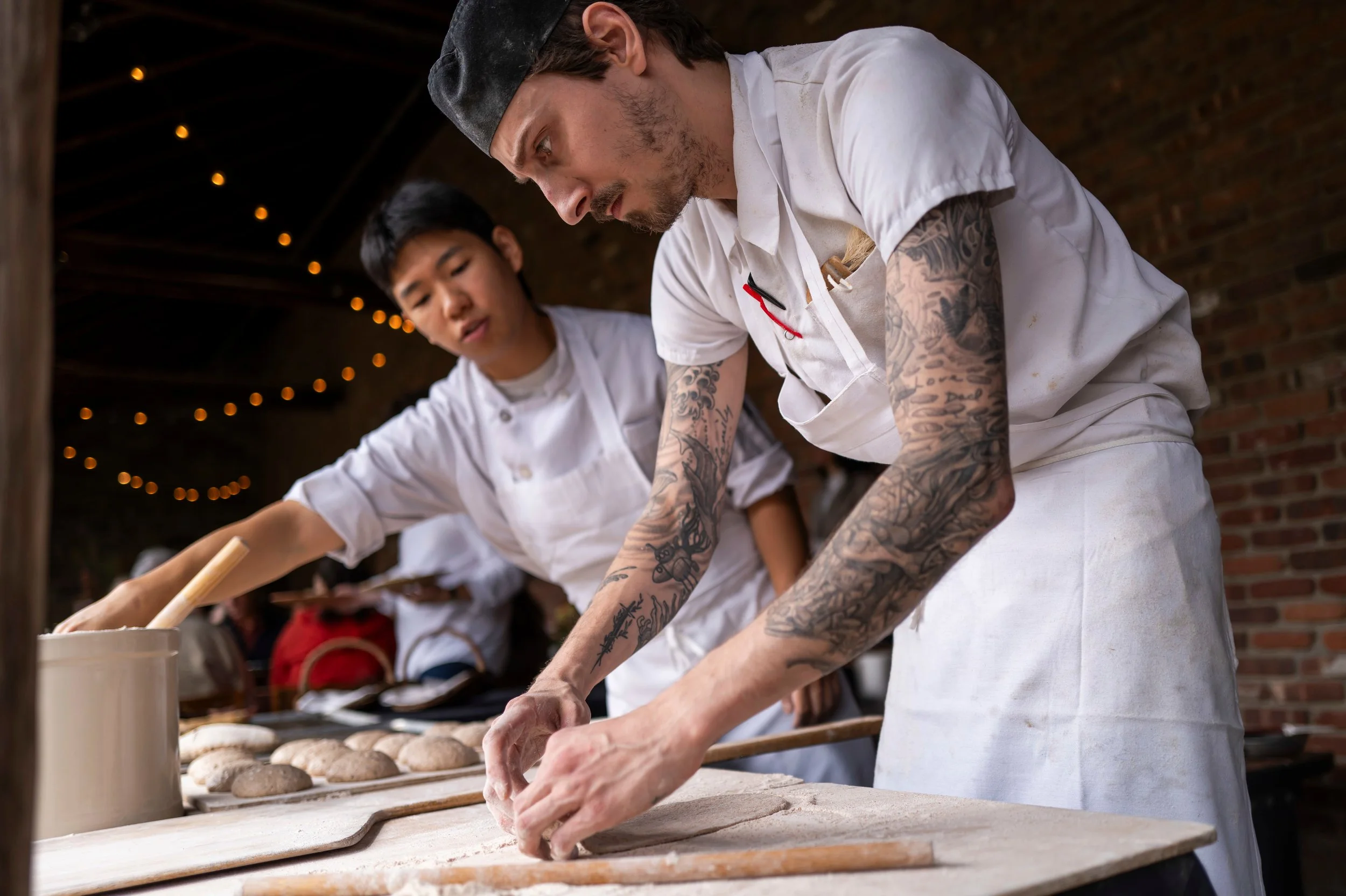
Our farmers and ecologists engage in collaborative research with Blue Hill chefs, butchers, bakers, and preservation specialists. Together we explore the connections between soil health, animal stewardship, nutrition, and flavor.
OUR PARTNERSHIP
WITH THE PARK
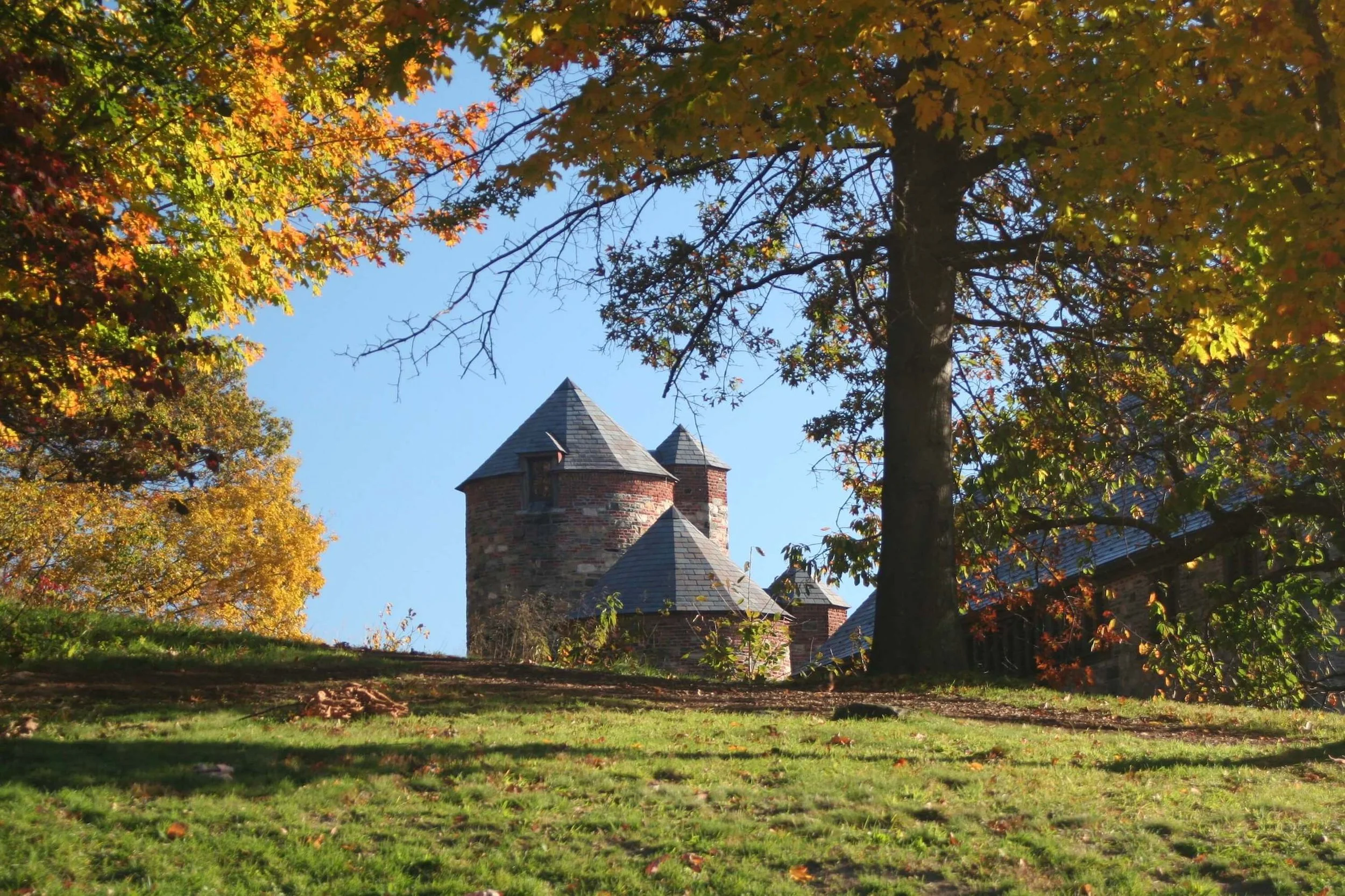
Through the Conservation Action Plan, Stone Barns and the Rockefeller State Park Preserve manage 450+ acres of state park land through multi-species rotational grazing.
arcgis database
Created by Stone Barns’ Ecological Monitoring team, our interactive StoryMaps offer mixed media engagements with our research projects. Explore our database and read our latest project updates.
past projects
Since 2004, Stone Barns has brought farmers, chefs, ecologists, and artisans to the table to innovate an ecological and regional food culture. Explore our archive of conferences and events.