Stone Barns Market
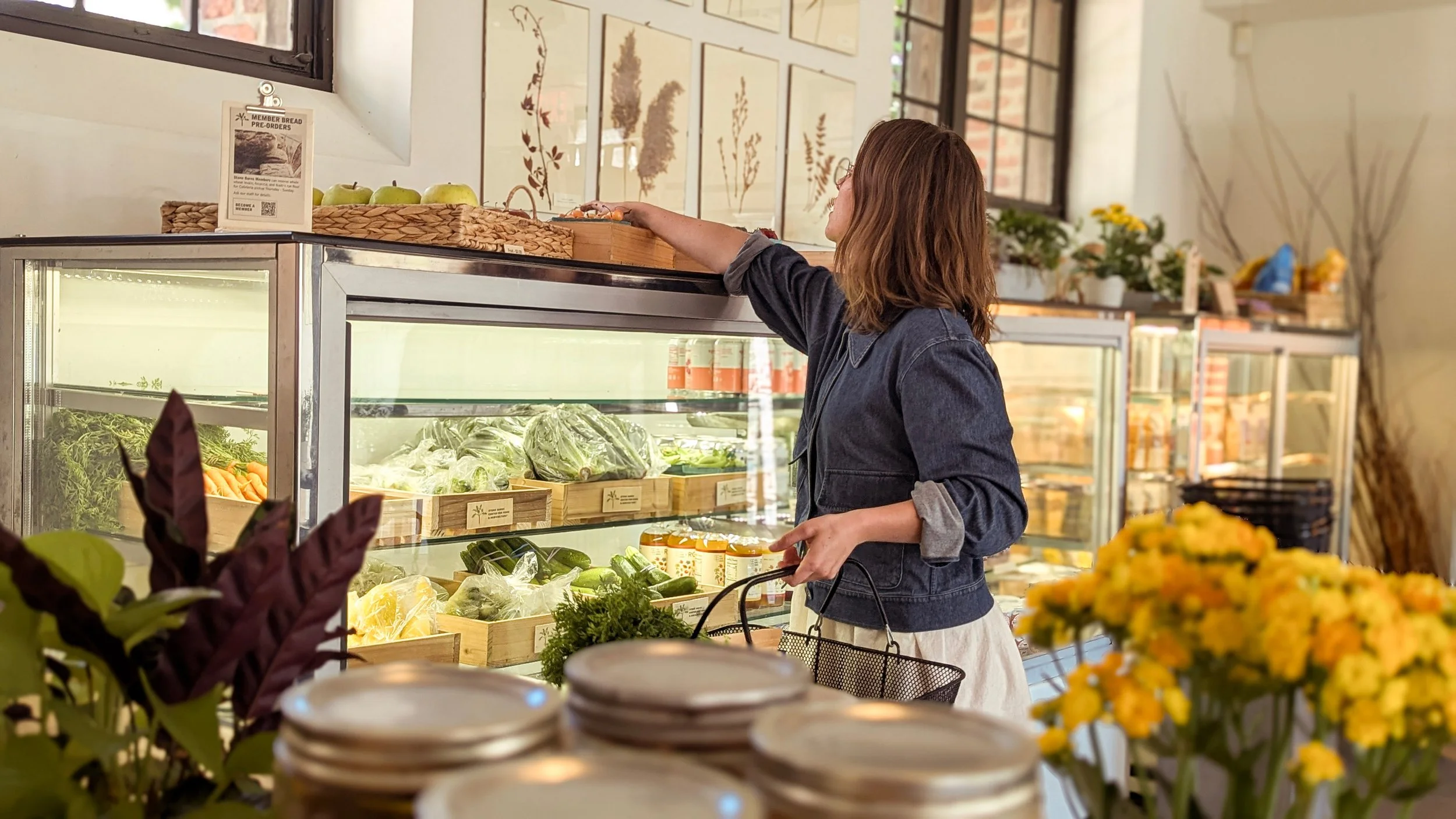
Located inside the Cafeteria
open Wednesday-Sunday, 9:30am-3:00pm
-
![Local Produce]()
Local Produce
Seasonal produce from Stone Barns and local growers.
-
![Picnic items]()
Picnic Items
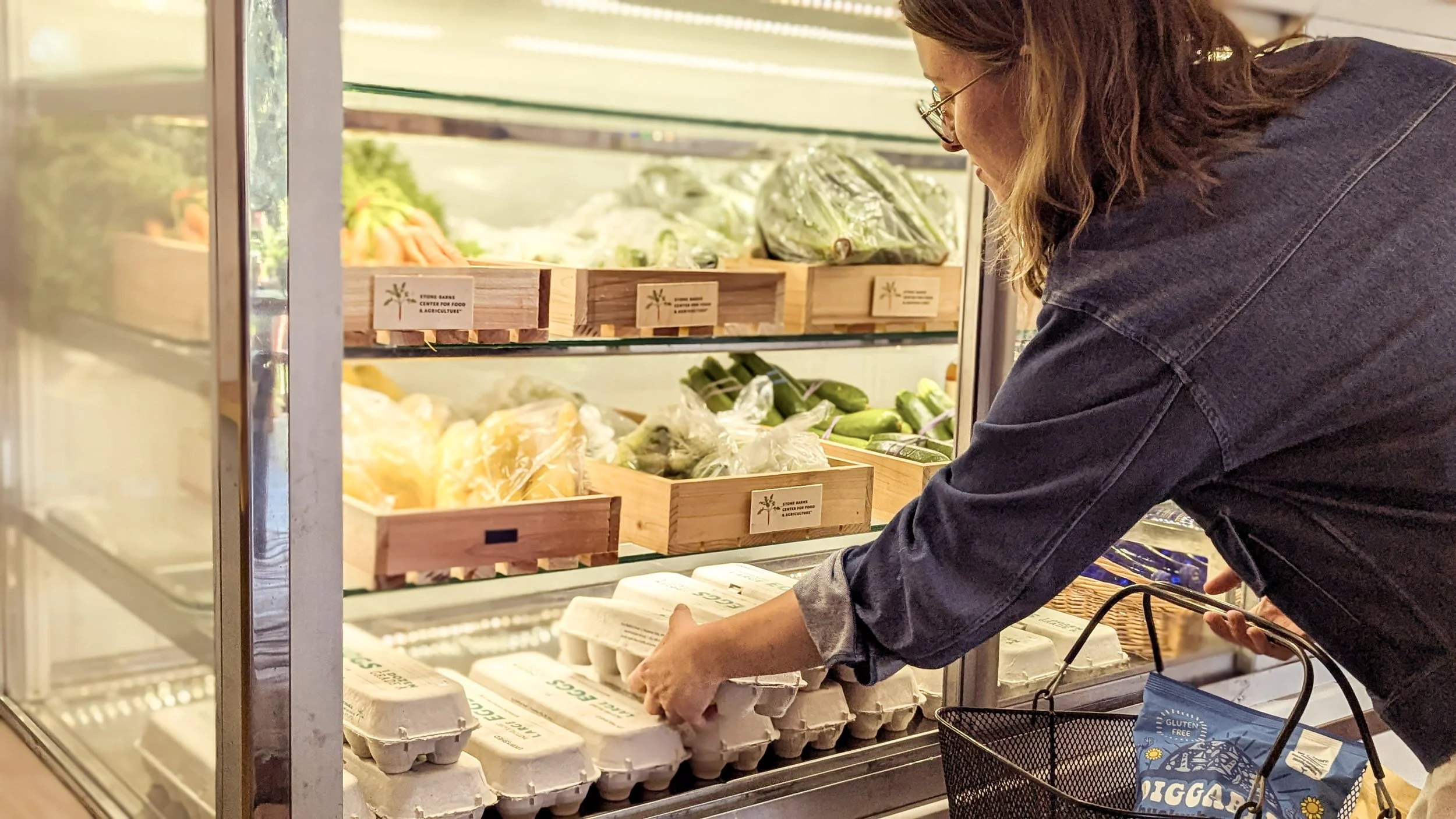
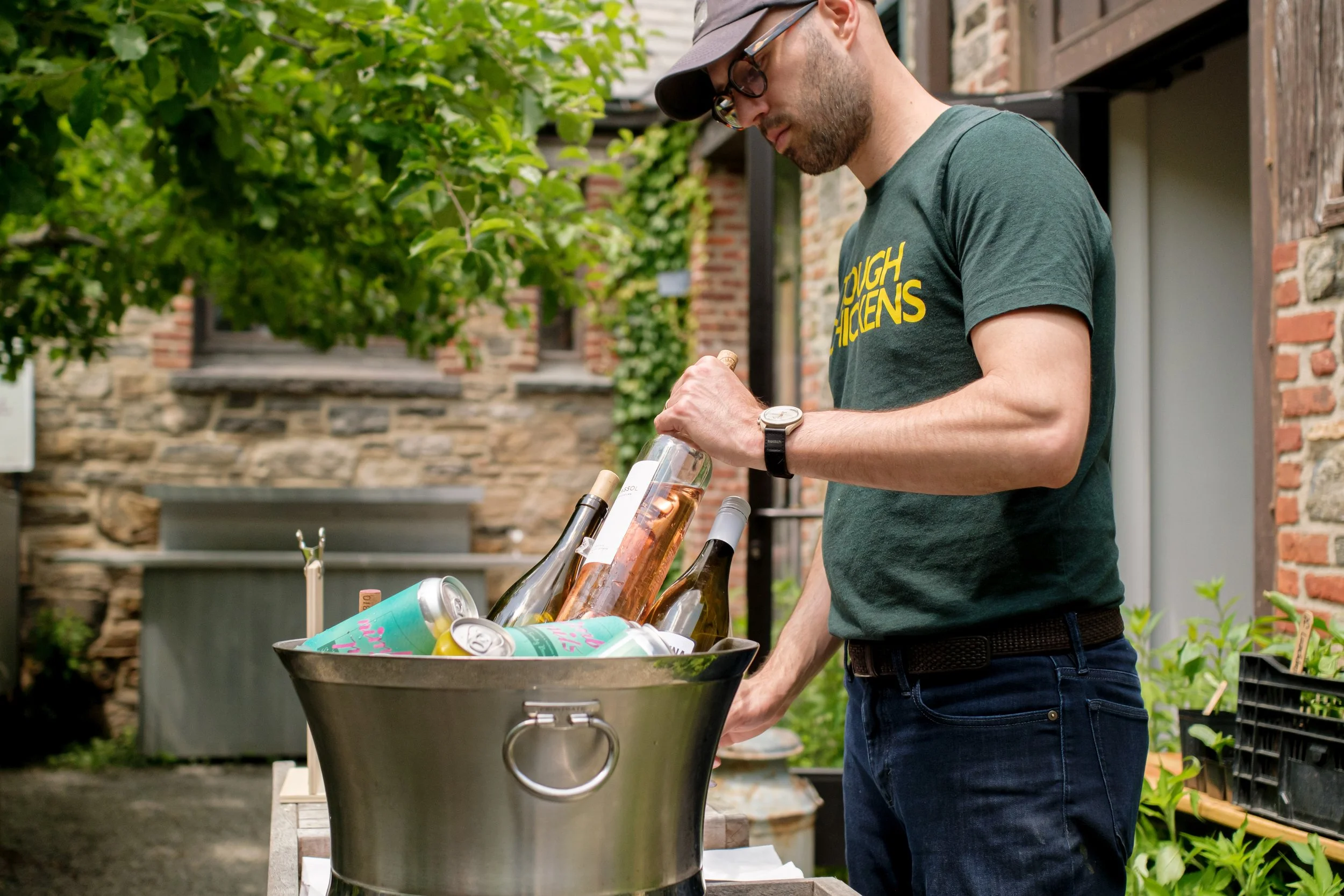
Grab-and-go selection of snack foods, drinks, dairy, and ice cream from our favorite local producers.
-
![Meat Freezer]()
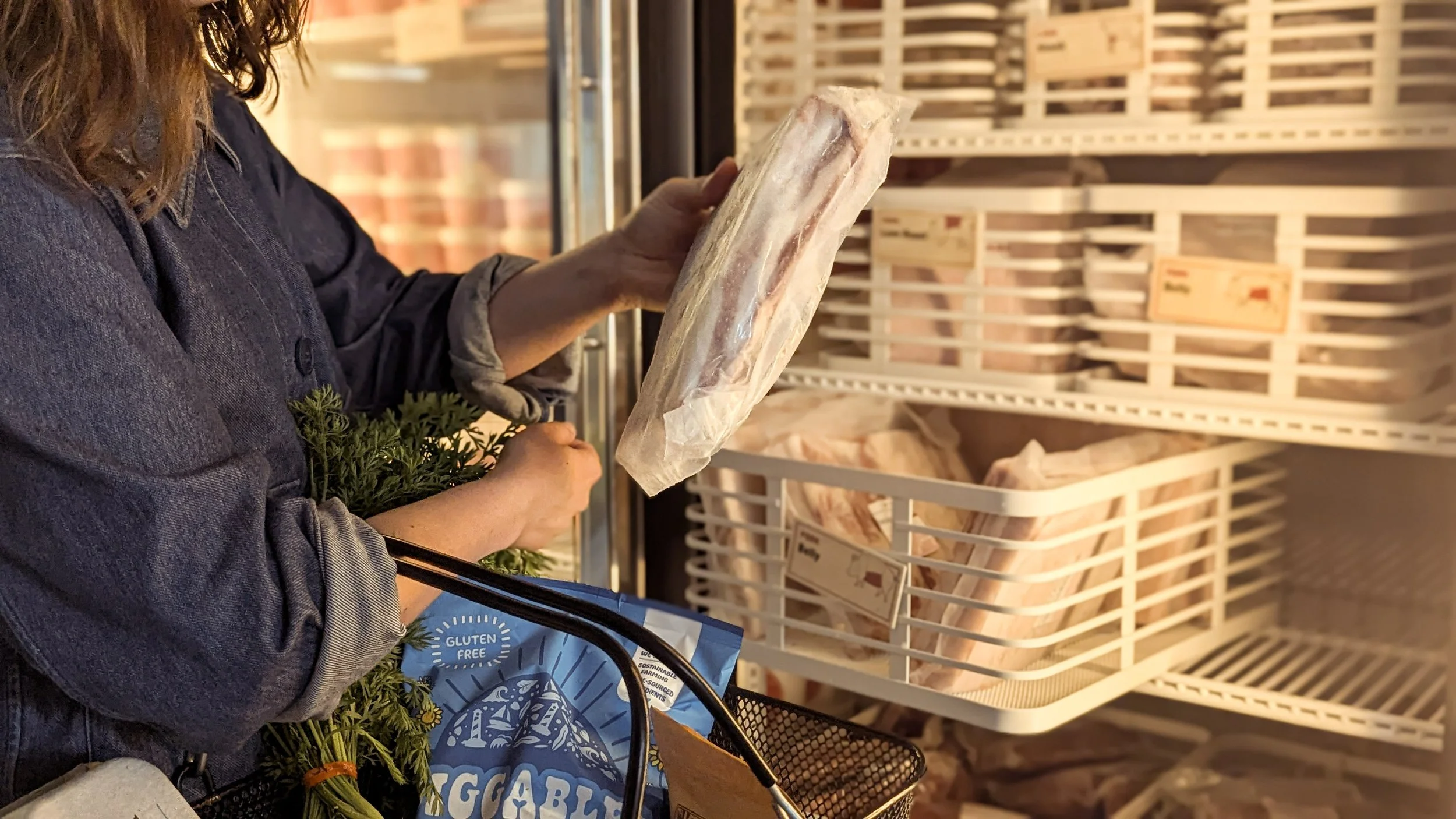
Meat Freezer
Stone Barns pasture-raised beef, pork, and lamb butchered here on the farm.
-
![Blue Hill Market]()
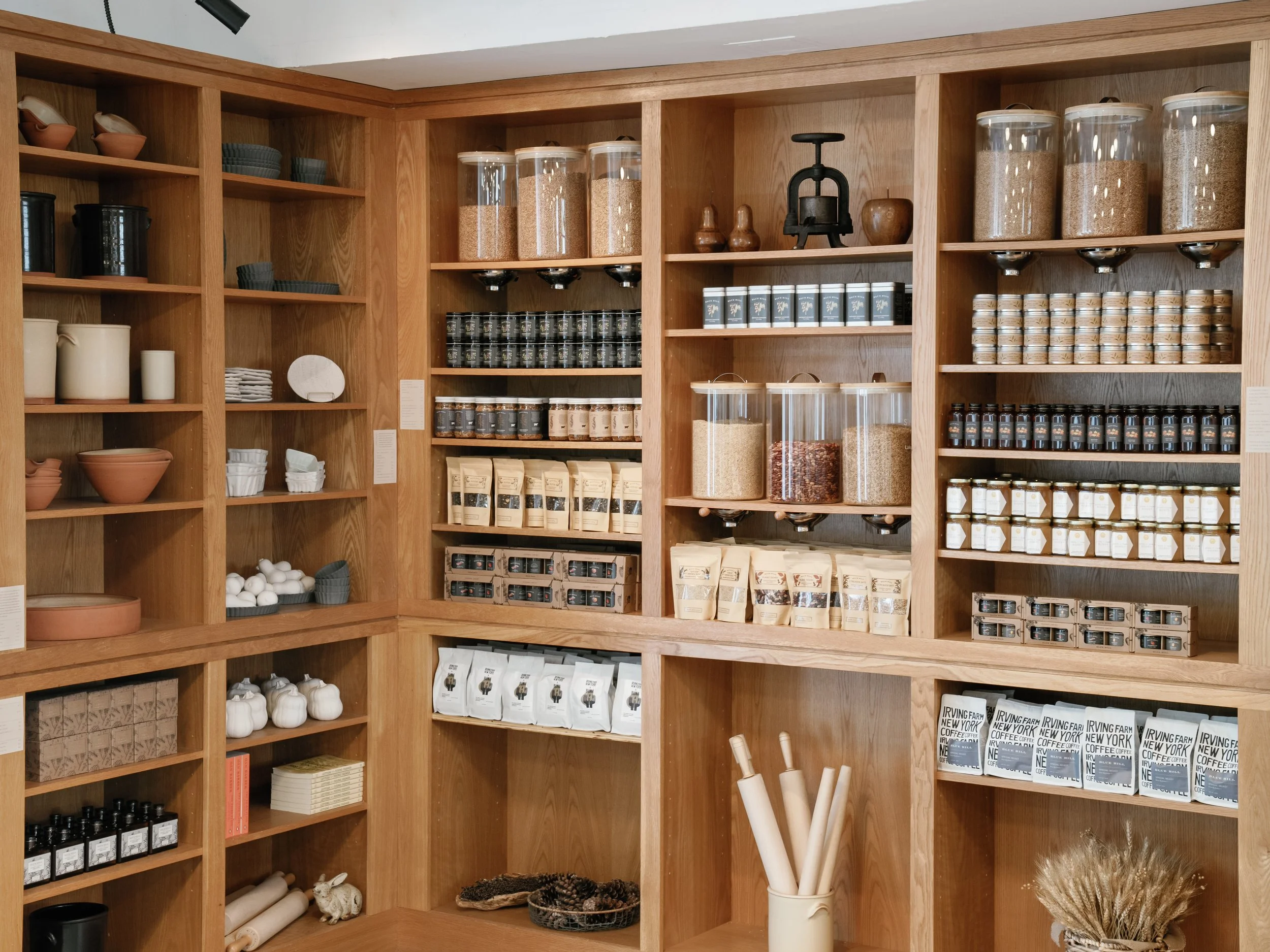
Blue Hill Market
Discover Blue Hill Market’s collection of handmade ceramics, kitchen tools, local preserves, and more.
Stone barns meat
Visit our freezer inside the cafeteria
Stone Barns meat is raised in a pasture-based rotational grazing system and butchered onsite by our staff. With every purchase you make, you are supporting our conservation efforts with the Rockefeller State Park Preserve and our culinary innovation work with Blue Hill.
Visit our meat freezer inside the Cafeteria or find our stand at the Stone Barns Market.
Stone Barns Members receive 10% off all purchases and early access to the market.
FAQ
Dairy Beef
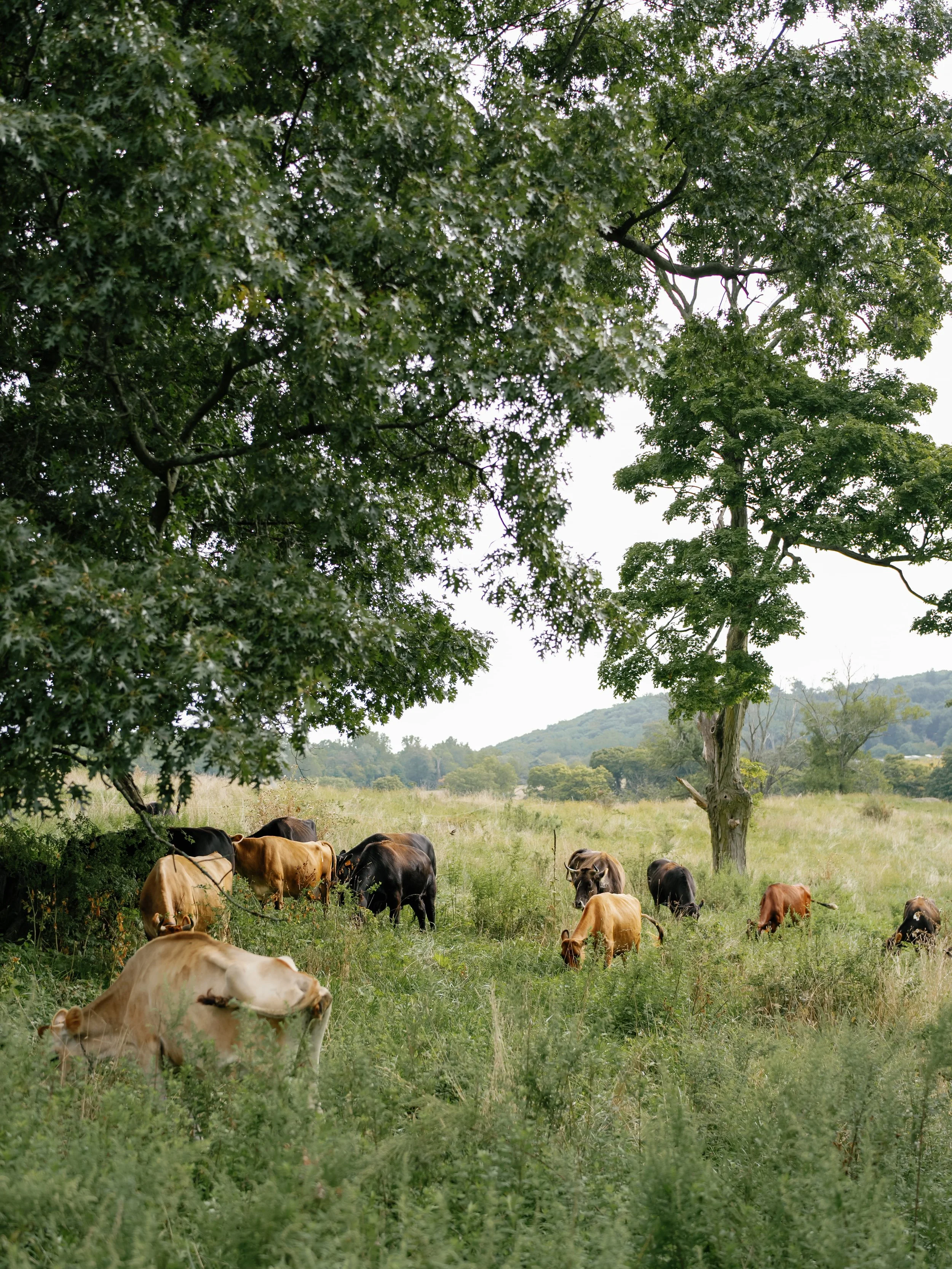
Dairy Beef is meat from grass-fed dairy cows who’ve “retired” from milking. In the U.S., this meat typically gets sold for pennies on the pound to be turned into dog food or cheap hamburger meat.
Grass-fed dairy cows—having enjoyed a nutrient-rich diet for more years than their beef cattle counterparts—actually make for uniquely delicious meat. In Spain, for example, there is a long tradition of finishing (fattening up) old dairy cows to produce prized beef. We want to help build this tradition in the U.S.
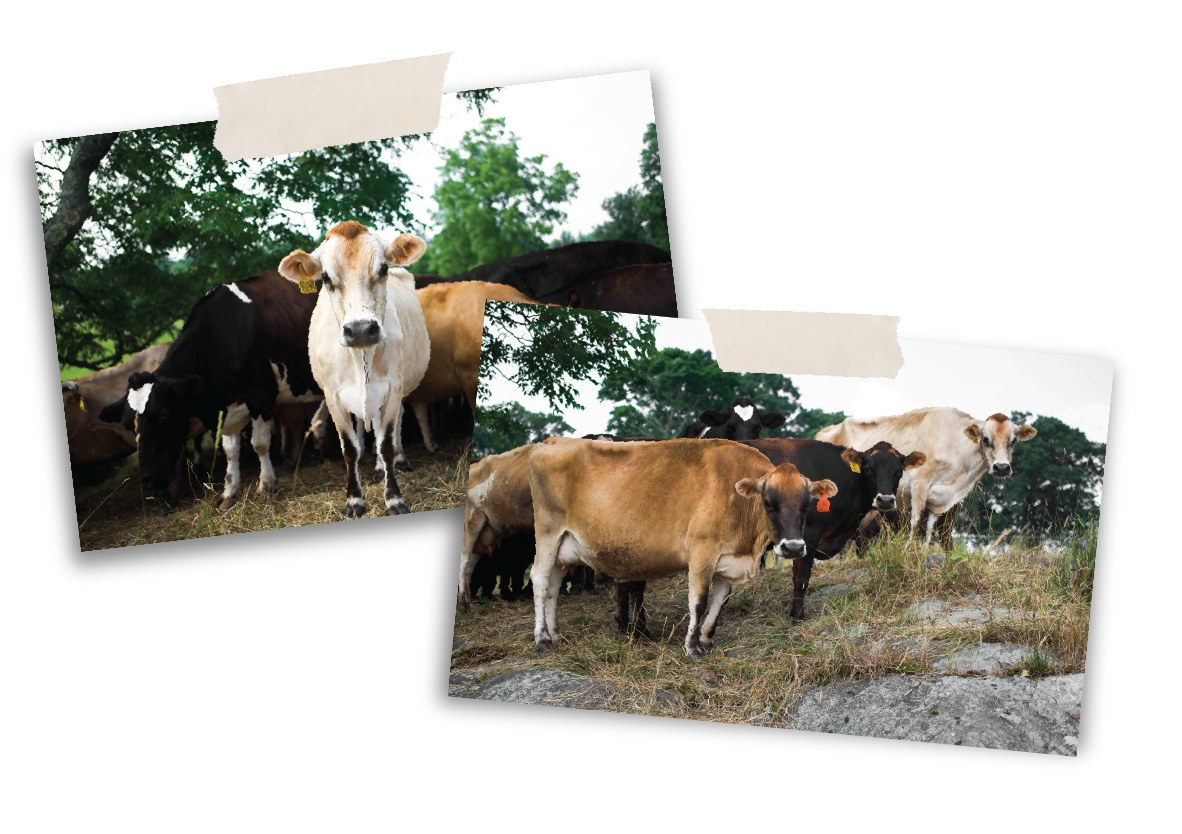
With little to no market for Dairy Beef, small grass-based dairies miss out on a significant revenue opportunity and consumers miss out on what is, in our opinion, the best beef.
The opportunity is to create a method and market for Dairy Beef to extend a lifeline to small grass-based dairies in our region, which are struggling to survive. Over the last 20 years, two thirds of New York's small and midsize dairies have shuttered. (Source: USDA)
If farmers could sell their older dairy cows at a premium that reflects their nutritional density and flavor, could that change the trajectory of our region’s dairy industry?
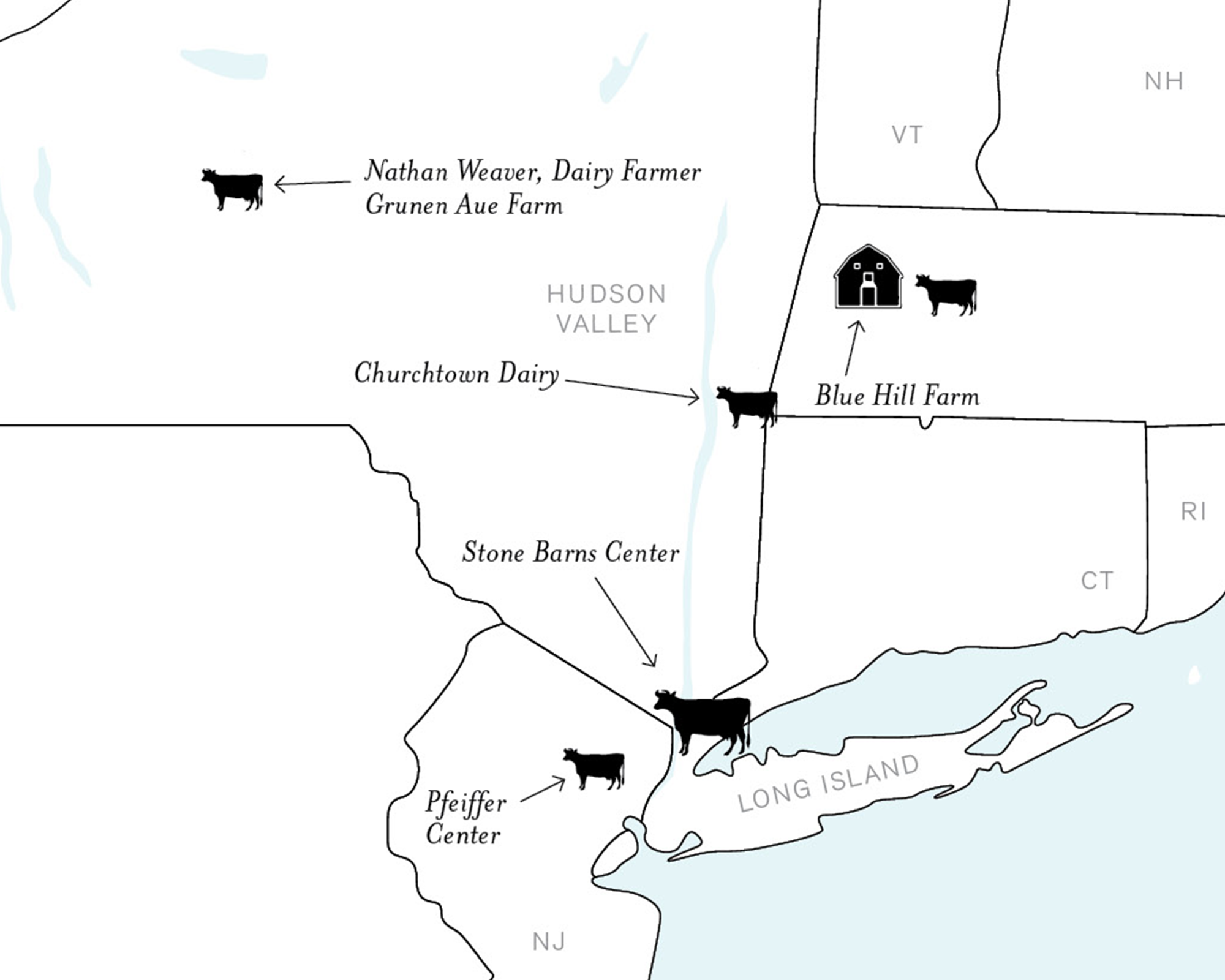
Through Blue Hill and Stone Barns’ new joint venture for regional food R&D, Rhizome Co., we are conducting research to fine tune the method to transform retired, grass-fed dairy cows into the best beef.
Our nutritional analysis so far shows that grass-fed Dairy Beef has higher amounts of health-promoting Omega-3 fatty acids, eicosapentaenoic acid (EPA), protein, iron, calcium, and vitamin E and B5 than the USDA standard organic grain-fed ribeye.
In our regular blind tastings, Dairy Beef consistently outperforms in both flavor and aroma.
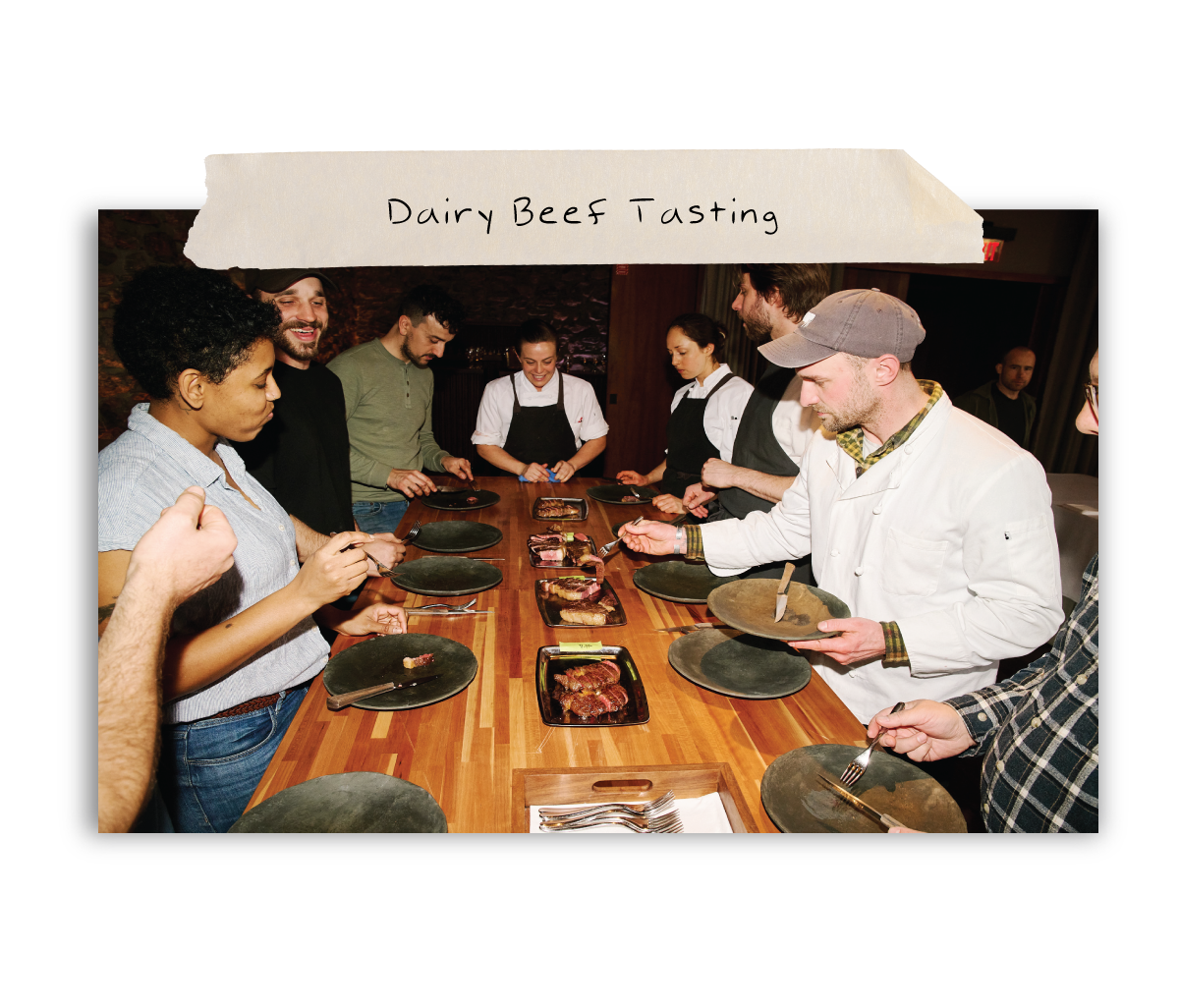
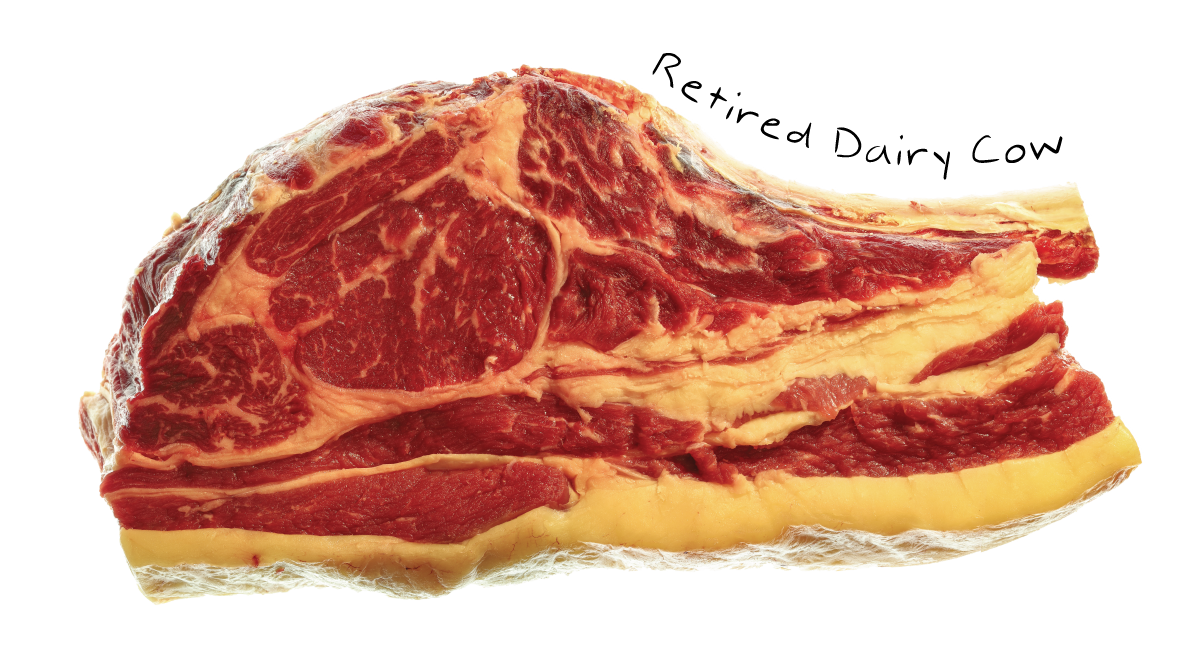
The fat is yellow because it contains a high concentration of a nutritious plant pigment called beta-carotene. The color is a visual representation of a grass-fed dairy cow’s many years spent grazing, and it contrasts starkly with the pale white fat typical of grain-fed beef, which the USDA’s grading standard is configured to reward.
Waste-Fed Pork
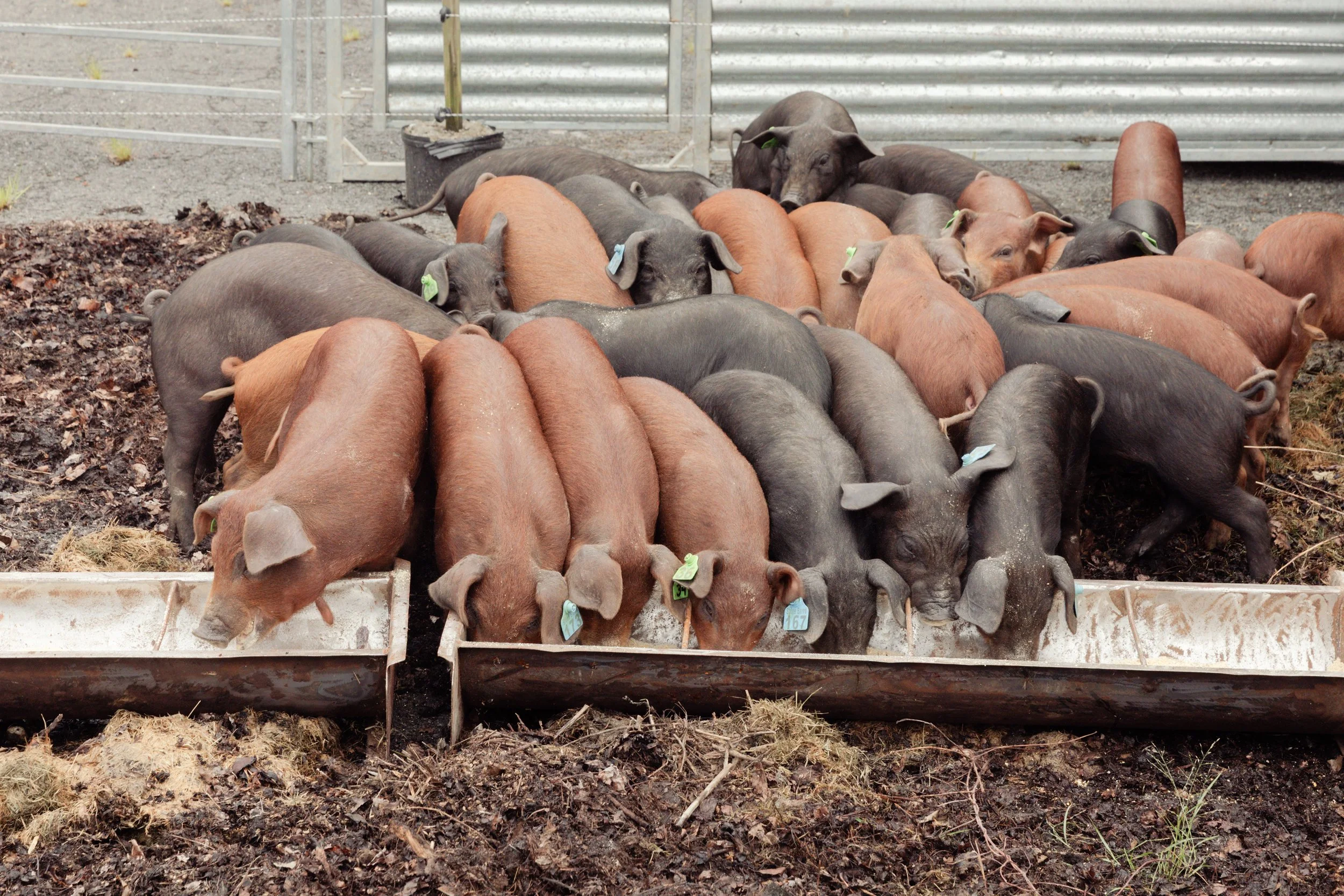
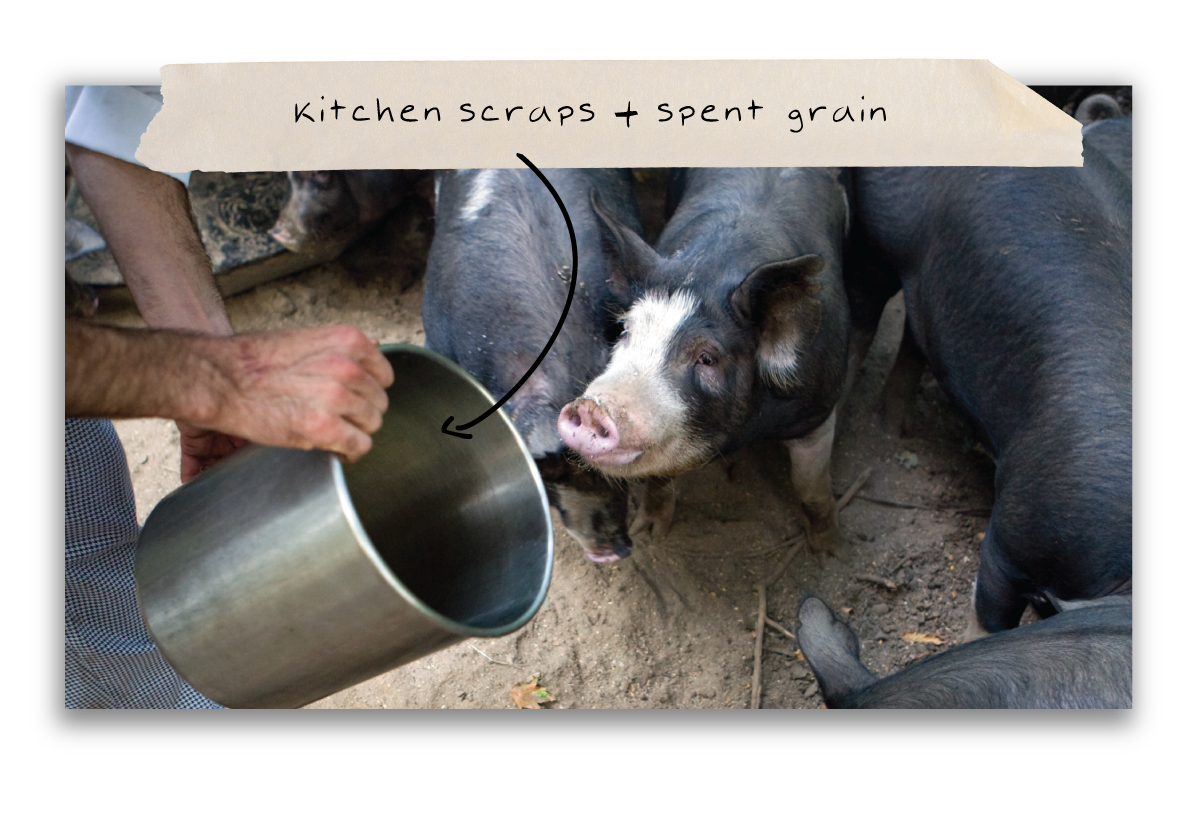
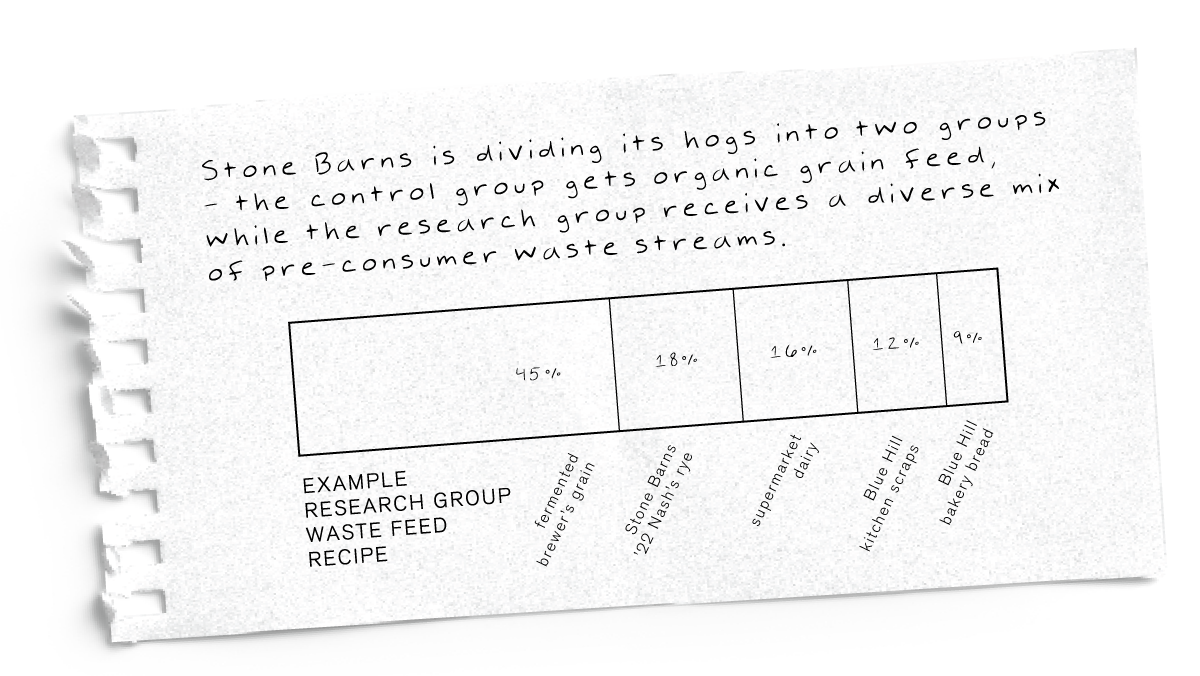
It means taking food that would either be composted, landfilled, or otherwise wasted across the food system and repurposing it as livestock feed. In our case, it means supplementing our pigs’ foraged diet with fruit and vegetable scraps from our kitchen, past “sell-by” date dairy from a local grocery store, and grains leftover from beer-production at two local breweries.
Pigs are omnivorous foragers by nature. Set loose in a forest, they search for a diverse mix of acorns, grasses, legumes, fruit, flowers, and insects. By confining pigs’ movement and feeding them an unvaried, grain-based diet, conventional pork operations yield less flavorful meat with detrimental impacts to the environment.
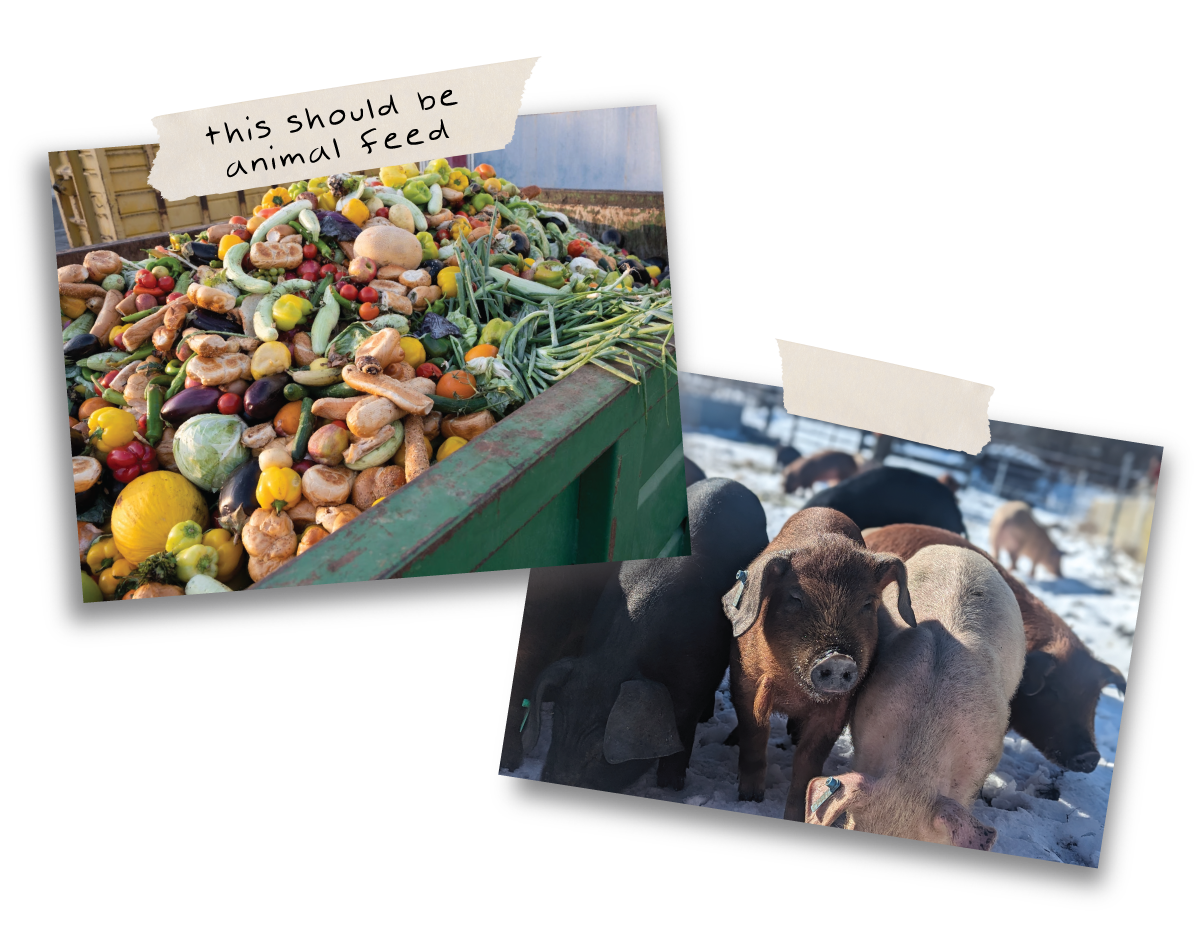
Globally, an estimated 1.4 billion pounds of food is wasted each year. At the same time, feed represents ~20% of a livestock farmer’s costs. Waste feeding takes aim at both of these problems, saving farmers money and diverting food from landfills. Plus, when pigs are active and able to eat a diverse, omnivorous diet, they develop healthy muscles which translates directly to more flavorful pork. It’s a win-win-win.
We’re collecting data every step of the way: we measure the nutritional content of the feed, then track how the pigs grow and respond to it, and analyze the flavor and nutrient density of the resulting pork. Next, we’re replicating the experiment on a partner farm and conducting a life-cycle analysis in order to ultimately produce a step-by-step guide for more farmers to implement waste feeding.
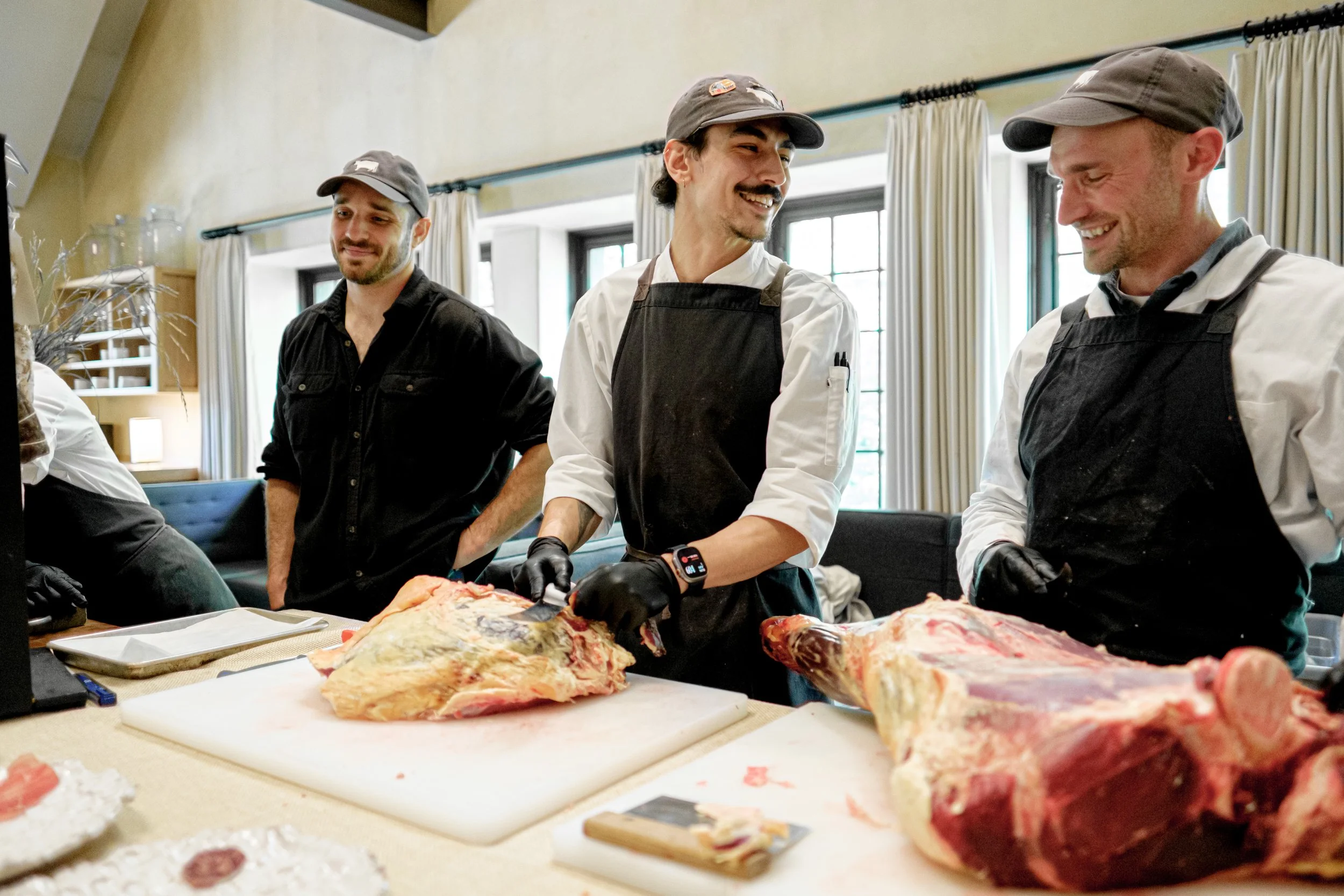
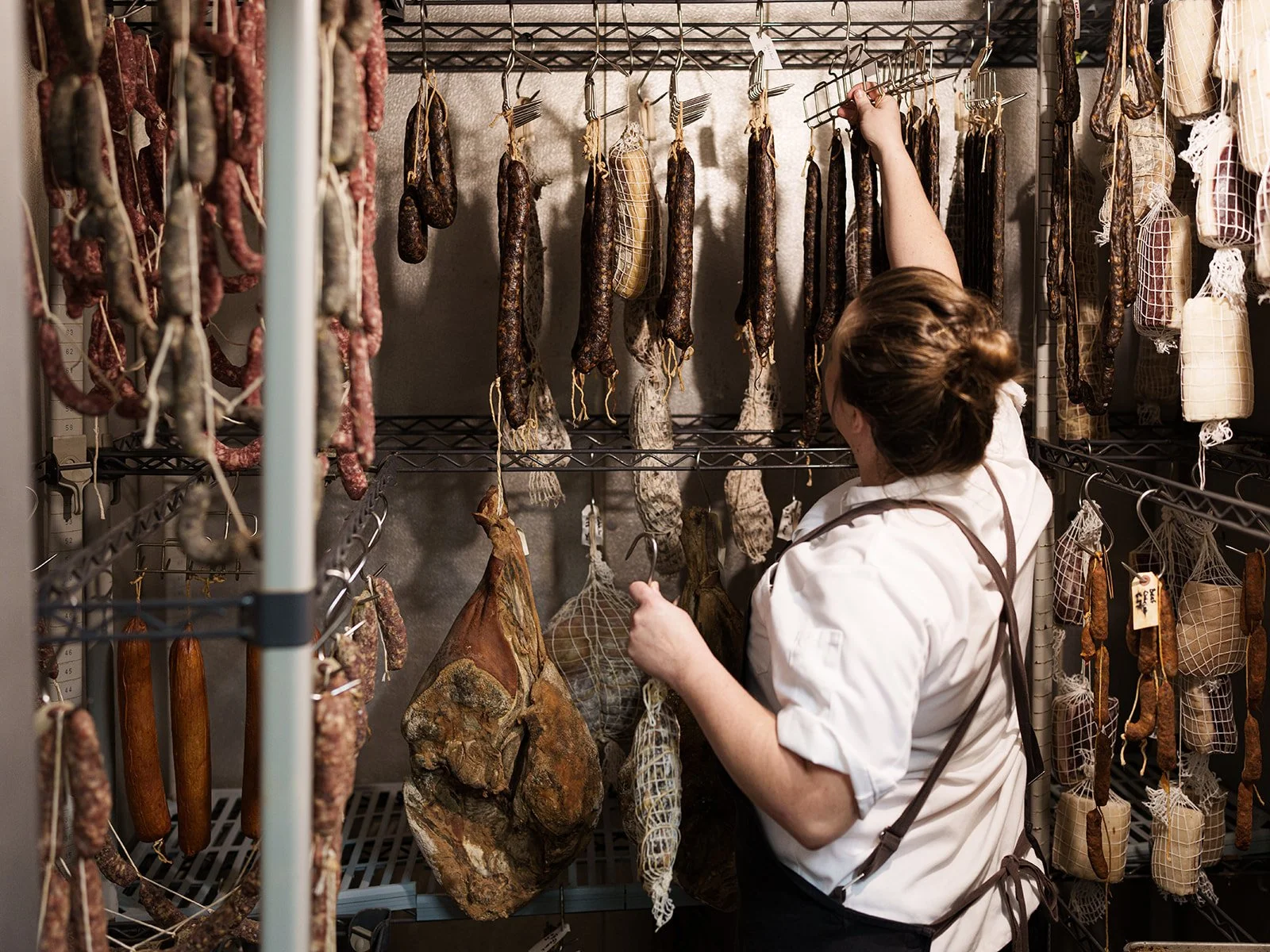
Our Butchery Program
A collaborative effort between Stone Barns livestock farmers, Blue Hill chefs, and partner researchers, our whole animal butchery program seeks to highlight the flavor and nutrition of ecologically-raised meat.
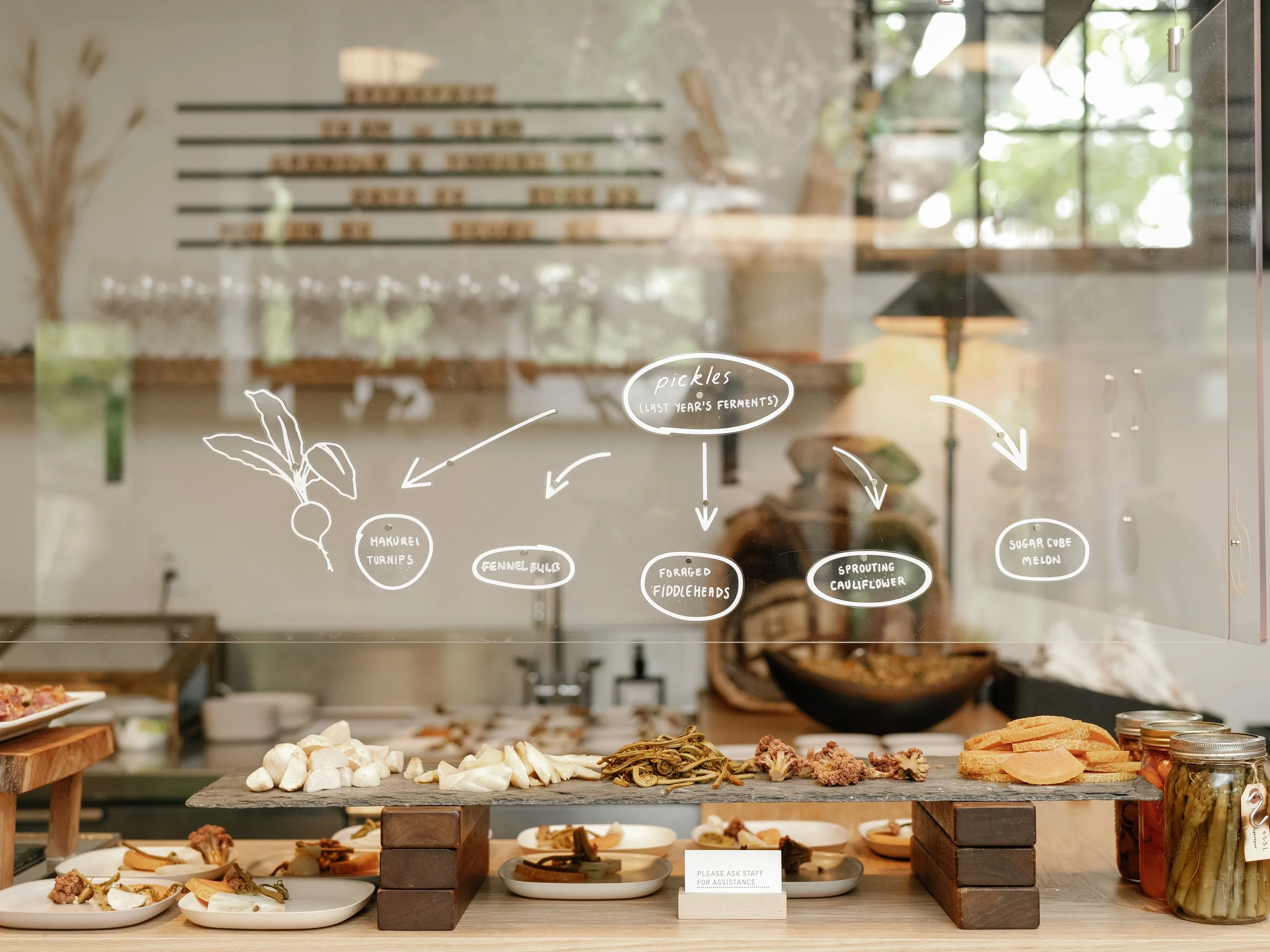
dine in the cafeteria
Stop inside our Cafeteria during breakfast hours, reserve a Lunch Tray, or book an evening at Community Table and sample the ongoing collaboration between the farm and our restaurant partner Blue Hill.
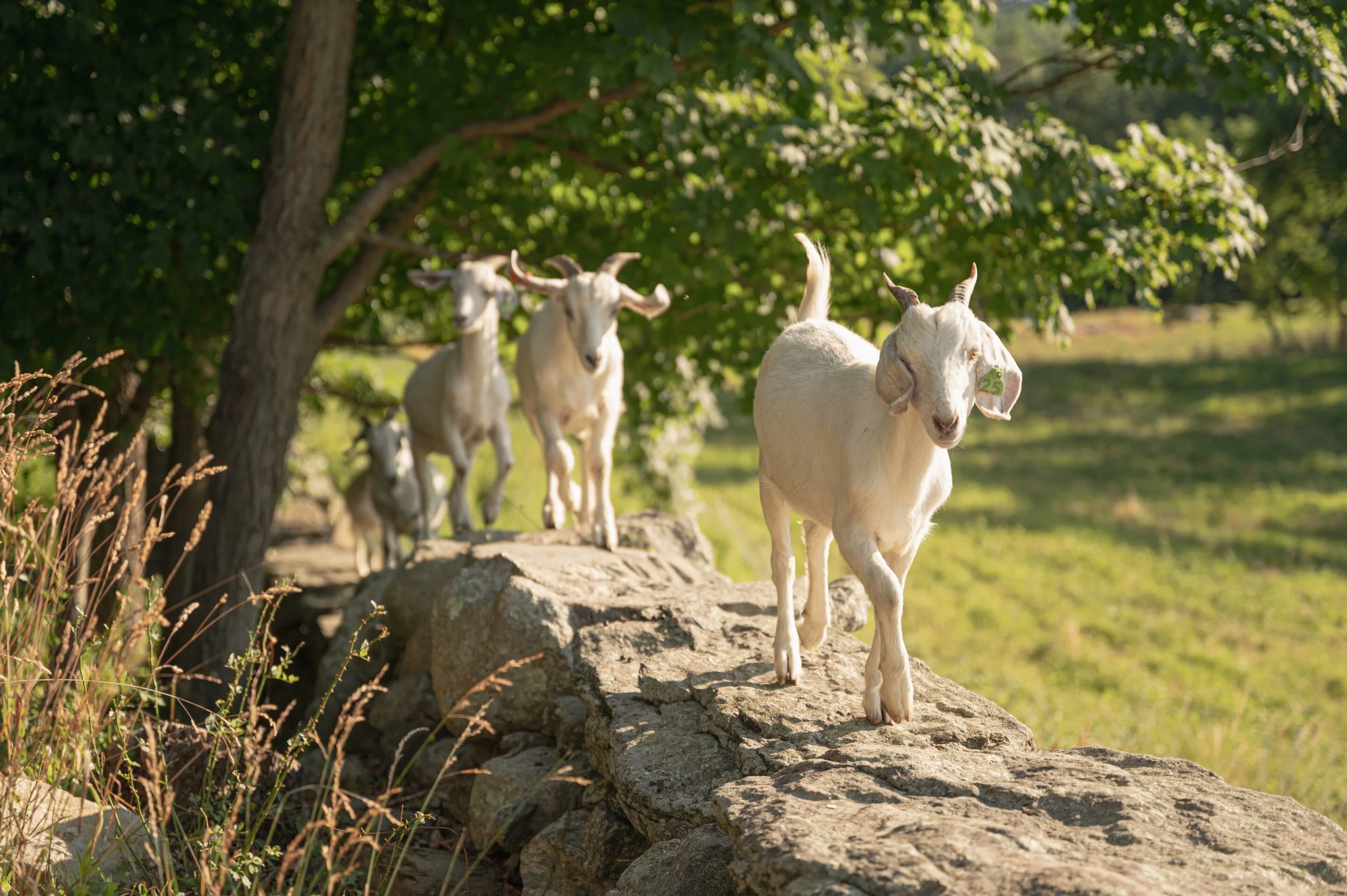
Support Our Regional Food Work
Join our movement of farmers, chefs, and educators in building an ecological food culture. Donate today and help advance our work.